History of Poetry
Poetry is one of the oldest forms of human expression, dating back thousands of years. Some of the first poems appeared in ancient civilizations like Mesopotamia, Egypt, China, Greece, and India. The Epic of Gilgamesh, written around 2100 BCE, is one of the earliest known works of poetry and tells a story about friendship, death, and the search for meaning. Ancient Greek poets like Homer shaped Western literature with epic poems such as The Iliad and The Odyssey. Over time, different cultures created their own styles, like Japanese haiku, Arabic lyric poetry, and European sonnets. As history moved forward, poetry shifted from strict forms to more personal and experimental writing, allowing poets to explore emotions, identity, politics, and everyday life in new ways. The long development of poetry shows that humans have always relied on creative language to make sense of the world.
How Influential Is Poetry?
Poetry has remained influential because it connects deeply with people and often captures emotions that regular writing can’t express. Poets have shaped social movements, challenged unfair systems, and inspired change through short, powerful lines. During the Harlem Renaissance, poets like Langston Hughes used poetry to express Black identity and push for equality. In the 1960s and 1970s, spoken-word poetry became a voice for civil rights, anti-war protests, and youth culture. Even today, poetry reaches millions through music, slam poetry, social media, and performance art. Teachers use poetry to help students build empathy, communication skills, and emotional awareness. Because poems express ideas quickly and memorably, they influence everything from politics to mental health to personal growth. Poetry matters because it helps people say what feels impossible to explain, and it inspires others to listen, reflect, and understand.
Setting Up Your Own Poem
Since poetry has such a long history and strong impact, it only makes sense to try creating your own. Poems don’t need fancy words or perfect rules — they need honesty, focus, and emotion. Think about a moment, memory, or feeling that matters to you. Consider the images, sounds, or details that bring that moment to life. Then shape those pieces into lines that feel natural and meaningful. In your next paragraph, you can create your own poem using whatever style fits your voice, whether it’s free verse, rhyme, or something totally unique.
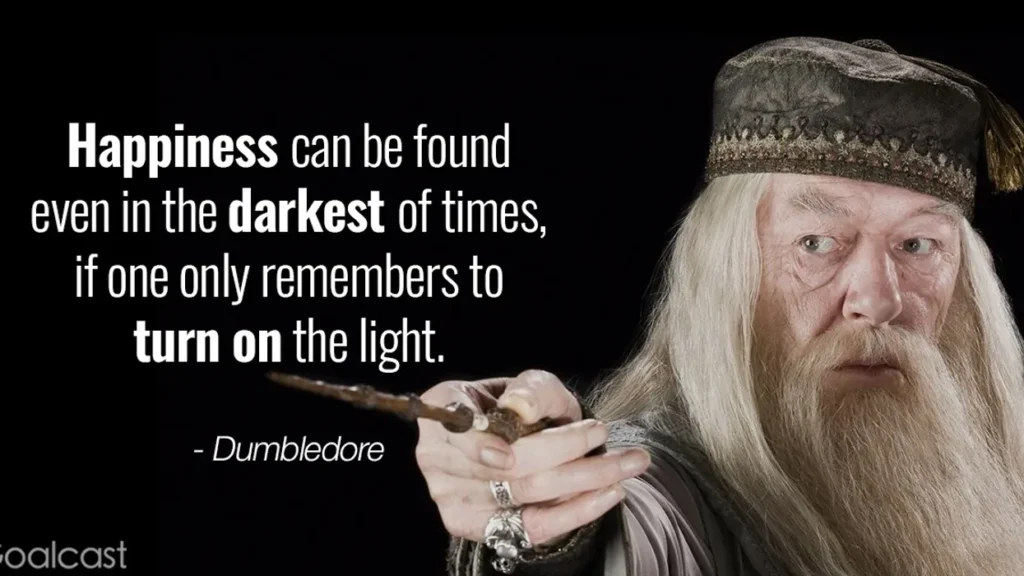

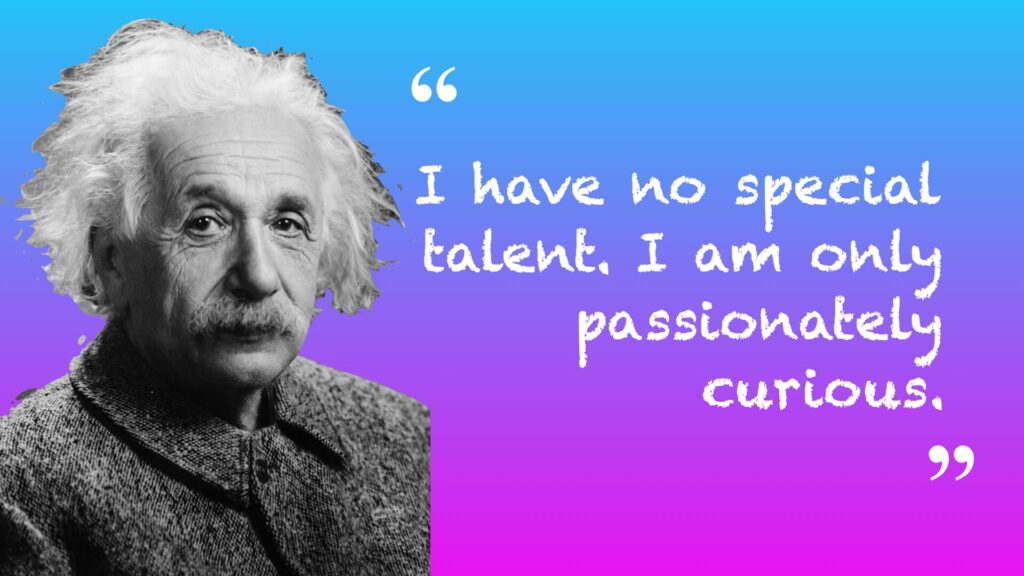
Poems can show emotions in a powerful way because they let writers express feelings that regular sentences can’t always capture. Below is a poem that I wrote, where I took a topic and ran with it.
Philosophical questions
constantly rise and rattle
through the masses’ heads.
Some arrive gentle
and meaningful,
others blunt,
heavy,
and fiercely debated.
These questions stretch our minds
and challenge what we think we know.
Sometimes they pull us deep,
pull us far,
pull us into places where thoughts
grow louder than truth.
Yet diving into them matters,
because searching helps us grow—
as long as we don’t search alone.
Often we chase answers
using only our own logic,
and the deeper we dig,
the more tangled our thoughts become.
Some questions turn into knots,
tightening with every new idea,
until confusion overshadows clarity.
Still, these deep questions
aren’t the problem—
forgetting who guides us through them is.
Proverbs 3:5–6 reminds us:
“Trust in the Lord
with all your heart
and lean not
on your own understanding.”
We must release
our need to define everything
and lean on Him
to reveal what understanding truly is.
When we do,
the deep questions gain purpose.
There we find answers
to the blunt ones,
and there
we discover the gentle ones too—
not because we solved them,
but because He guided us
through them.