The William Field Memorial Hart Montague Trail almost didn’t exist.
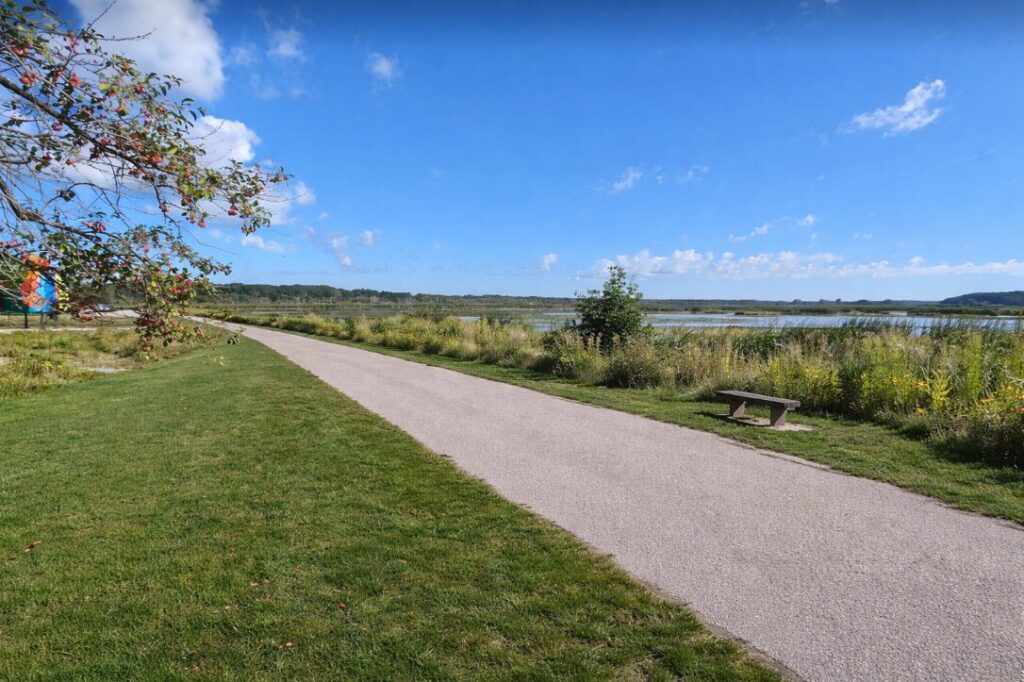
Today, it feels permanent. A paved path stretching more than 22 miles through orchards, farmland, and small towns. A place people return to again and again.
But that path exists because of a single decision.
This week’s Trivia Tuesday asked what saved the land from being sold off before it became a trail.
The answer is simple.
One person bought it.
But the story behind that decision is what still matters today.
A Corridor at Risk
Before it became a trail, the land was a railroad corridor.
Built in the 1870s, it once carried lumber, crops, and people through the region. It helped connect communities and supported the local economy for generations.
By the early 1980s, that chapter had ended.
The tracks were removed. The land was no longer in use. And without a clear purpose, it faced a common fate.
It could have been divided and sold.
Piece by piece, the corridor could have disappeared.
The Decision That Changed It
William Field saw something different.
A fruit grower from Shelby and an Oceana County commissioner, he believed the land still had value. Not as a railroad, but as something the public could use in a new way.
When he could not gain enough support to preserve it, he made a decision that few would.
He bought the entire corridor himself.
Spending about 175000 dollars, Field purchased the land between Hart and Montague. He could have sold it for profit. The land was valuable. There was opportunity.
Instead, he chose to protect it.
He donated it to the state so it could become a public trail.
What It Became
Years later, that decision took shape.
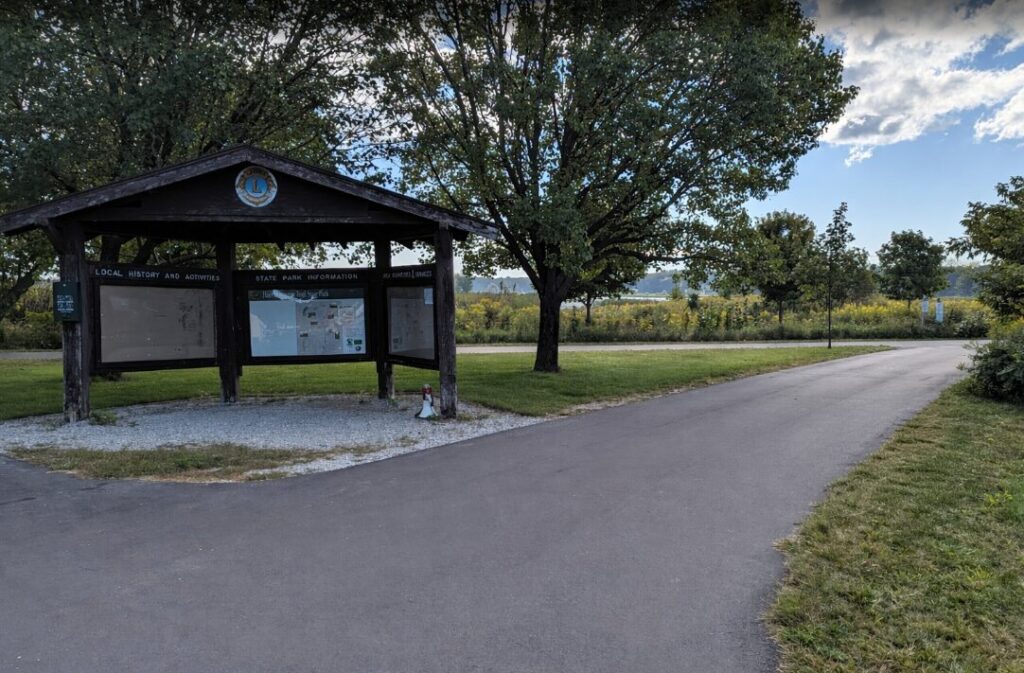
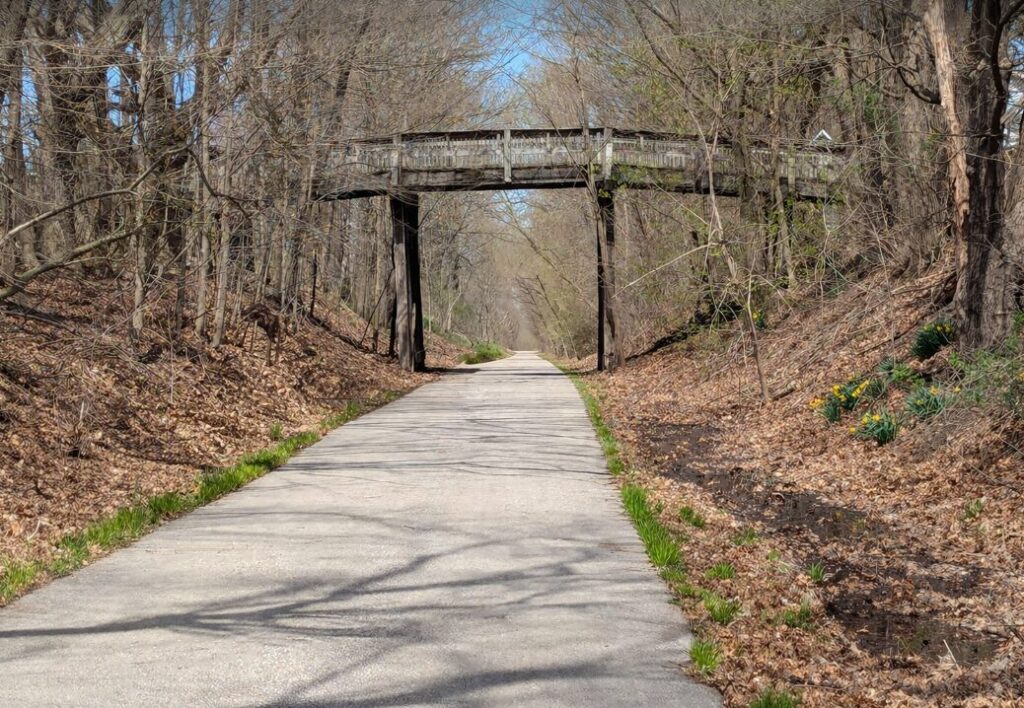
In 1989, the first section of the trail opened as Michigan’s first paved rail trail. The rest followed, connecting communities across Oceana County and into the White Lake area.
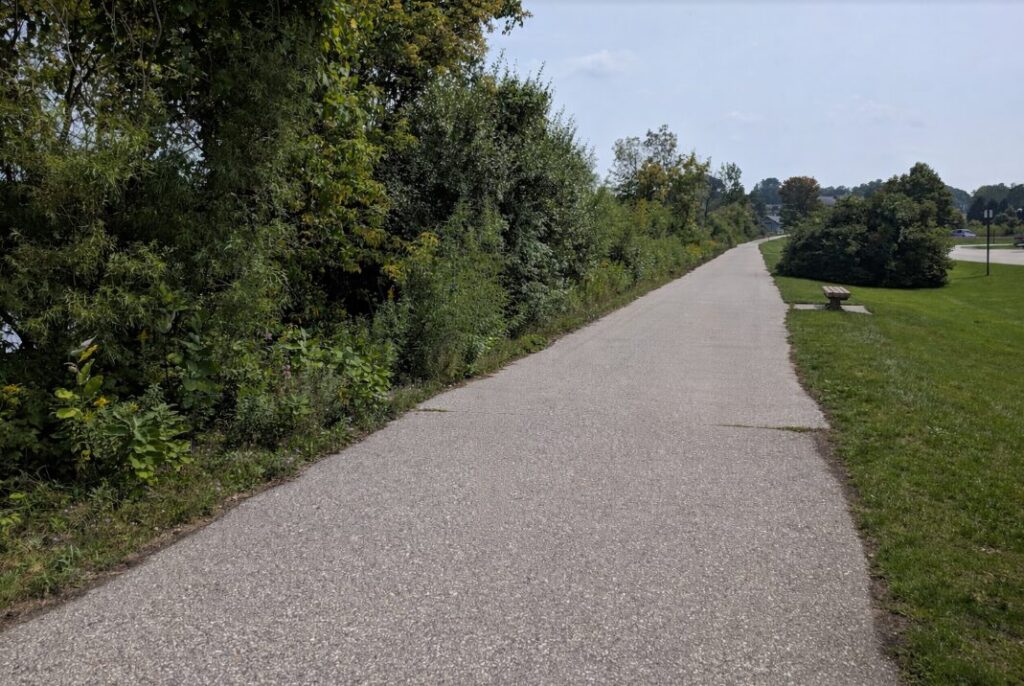
Today, the trail is used by thousands of people.
Cyclists. Walkers. Families. Visitors.
It connects Montague to Hart, but it also connects people to the landscape in a way that would not have been possible otherwise.
What was once a corridor for industry became a space for experience.
What Was at Stake
It is easy to look at the trail now and assume it was always going to happen.
It was not.
Without that purchase, the land likely would have been sold in sections. Roads, property lines, and development would have broken it apart.
There would be no continuous path.
No shared space stretching across miles of farmland and forest.
That is what was at stake.
And once land like that is divided, it rarely comes back together.
Why This Still Matters
This story is not just about a trail.
It is about how communities decide what matters.
It is about whether land is seen as something to divide or something to preserve.
Every person who uses the trail today is experiencing the result of a decision made decades ago.
A decision that prioritized long term value over short term gain.
The Takeaway
The trivia question tells us what saved the trail.
The story tells us why it was saved.
And the next time you step onto the William Field Memorial Hart Montague Trail, it is worth remembering that it did not happen by accident.
It exists because someone chose to make sure it would.
Stay connected to what’s happening in our area by visiting CatchMark Community.
Powered by CatchMark Technologies — helping people, solving problems. Explore more on our website.