When a Snow Day Meant Something
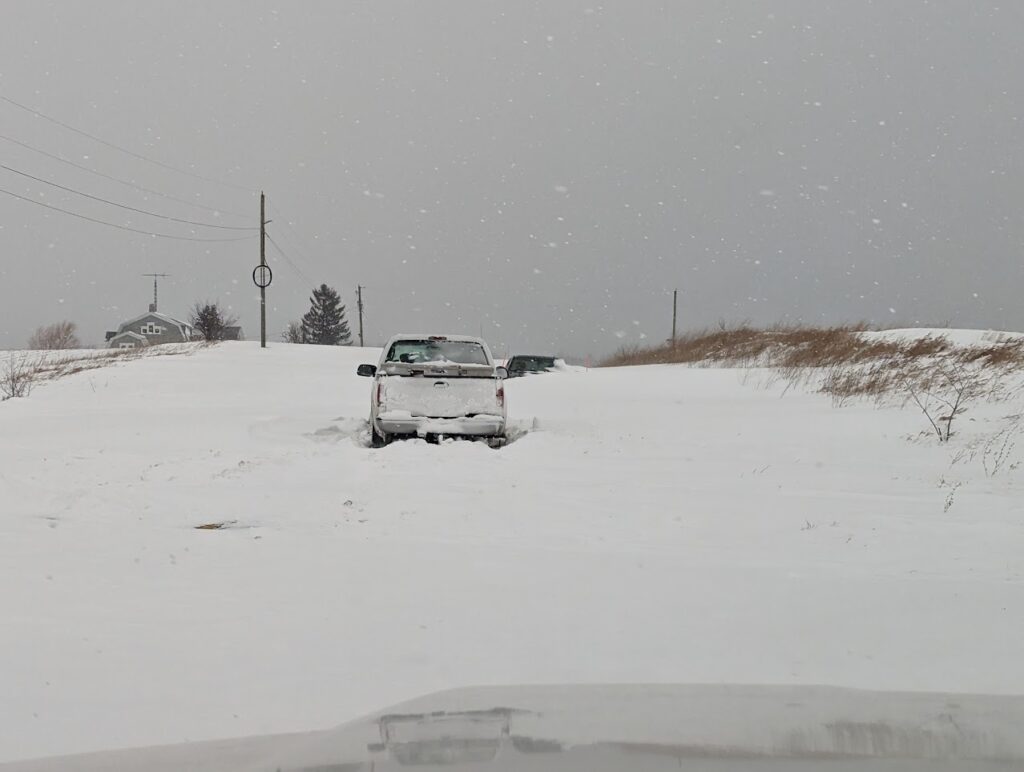
When I was in school, it felt like the bar for a snow day was set incredibly high. It seemed to take at least nine inches of snow, forty mile per hour winds, and near whiteout conditions before anyone even whispered the words “school might be closed.” And even when school closures occurred, practices and athletic events often went on as scheduled. You bundled up, showed up, and got it done.

Today, it can feel very different. A forecast of heavy snow, freezing rain, or bitter cold is often enough to trigger closures days in advance. This raises a question many parents, educators, and community members quietly ask. Have we gotten soft?
A Fair Question in a Modern World
At first glance, the question seems justified. Cars are far safer than they were decades ago, with improved handling, braking systems, and safety features. Roads are better maintained, with advanced plowing strategies and real time condition monitoring. Communication is nearly instant. Schools can notify families of closures or emergencies through text messages, emails, apps, and social media within seconds.
Despite these improvements, schools appear to be closing more often, or at least more quickly, than in the past. While there is no single national database tracking weather related school closures over multiple decades, available data and recent trends suggest closures are a growing and visible part of the educational landscape.
What the Data Tells Us
According to the National Center for Education Statistics, 755 public schools closed permanently during the 2021–22 school year alone. While permanent closures are not the same as snow days, they reflect an environment in which closing schools has become a more common administrative response to changing conditions and risk factors.
Source: National Center for Education Statistics
https://nces.ed.gov/fastfacts/display.asp?id=619

Looking specifically at short term closures, education researchers note that most U.S. school districts typically experience between two and six weather related closure days per year, depending on region. In recent winters, however, many districts have exceeded their traditional snow day allotments well before the season ended, forcing schools to rely on virtual days or state waivers to meet instructional requirements.
Source: HistoryTools.org
https://www.historytools.org/school/how-many-snow-days-can-you-expect-an-expert-guide-for-families
Local reporting reinforces this trend. In parts of Michigan and the Midwest, several districts reached or exceeded their allowed snow days during the 2024–25 winter, despite relatively average snowfall totals.
Source: Record Patriot
https://www.recordpatriot.com/news/article/benzie-county-schools-reach-snow-day-limit-20053836.php
The takeaway is not that closures are exploding everywhere, but that they are happening earlier, more predictively, and with greater caution than in decades past.
The Other Side of the Argument
Schools today serve a broader and more complex population. There is greater awareness of student safety, mental health, and equity. Not every family has reliable transportation. Not every household can easily adjust work schedules. Rural districts often span large geographic areas where road conditions can vary dramatically. What is manageable in one part of the district may be dangerous in another.
In that context, comparing today’s decisions directly to those made thirty or forty years ago oversimplifies the reality leaders now face.
The Risk Factor Leaders Cannot Ignore
There is also a risk calculus that school districts and other community organizations must weigh more carefully than ever before. One serious accident involving a bus, student driver, or staff member can have devastating consequences. Beyond the personal toll, districts face legal liability, insurance exposure, and public scrutiny.
In an era where leaders are expected to anticipate risk rather than react to it, caution often wins. Closing early is frequently viewed not as weakness, but as responsible risk management.
Shifting Expectations for Schools
Schools are no longer judged solely on educational outcomes. They are also evaluated on how well they manage safety, communicate proactively, and demonstrate care for their communities. The expectation is not just that learning happens, but that it happens without unnecessary risk.
That shift has changed decision making. What once might have been considered an acceptable inconvenience is now weighed against broader safety and liability concerns.
So, Have We Gotten Soft or Smarter?
The honest answer is probably both. There is value in resilience, responsibility, and learning to function in less than ideal conditions. There is also wisdom in recognizing when the risks outweigh the benefits, especially when children and public trust are involved.

Perhaps the better question is not whether schools close too often, but whether communities clearly understand why they close. Transparency builds trust, and trust matters just as much as toughness.
A Community Dialogue, Not a Verdict
This is not a question that should be answered by one person, one district, or one generation alone. It is a conversation that belongs to the entire community.
Parents, educators, students, employers, and community leaders all experience the impact of school closures differently. For some, closures create safety and peace of mind. For others, they disrupt work, childcare, meals, and learning. Both realities are valid.
Instead of framing the issue as toughness versus caution, perhaps the better dialogue centers on clarity and trust. What conditions truly warrant closure? How are decisions made? How can schools communicate the “why” more clearly, and how can communities offer constructive input rather than reactionary criticism?
The School Closure Conversation is Worth Continuing
Winter will always test us. How we respond reflects our priorities, our tolerance for risk, and our responsibility to one another. If we approach this topic with openness and respect, we can move beyond nostalgia or frustration and toward shared understanding.
That kind of dialogue is not just healthy for our schools. It is healthy for our communities.
Love our content find more here!