Hey Wild Fact Fans, Seth here with the new Friday Feature creature. Don’t forget to please like, share and comment questions down below If you have any on this weeks animal ^^
This weeks feature creature is a hidden horned assassin of the middle east and Sahara; as it lies in wait for prey to come by with mainly its horns sticking out as it buries itself in the sand to camouflage to take it by surprise; along with being a nasty biological landmine for those who aren’t on the menu and crosses its path by accident; which lead to it building a reputation as being a living incarnation of the devil  itself , and even being considered the possible snake that killed Cleopatra
This weeks feature creature is the Desert Horned Viper
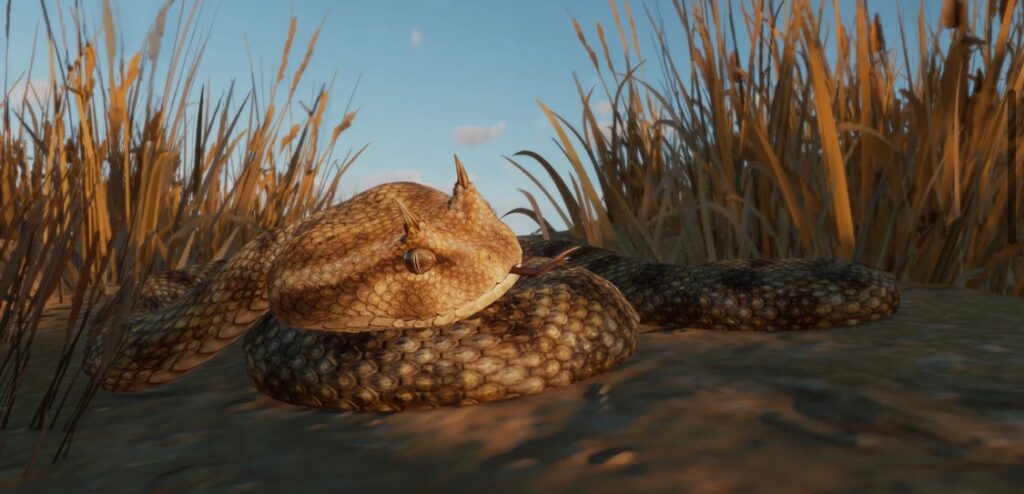
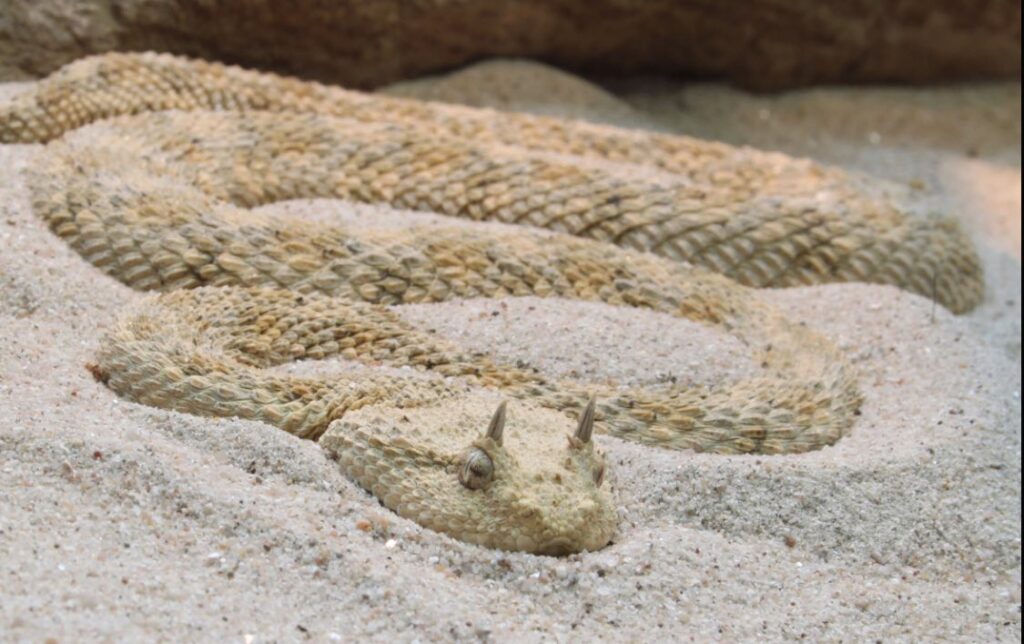
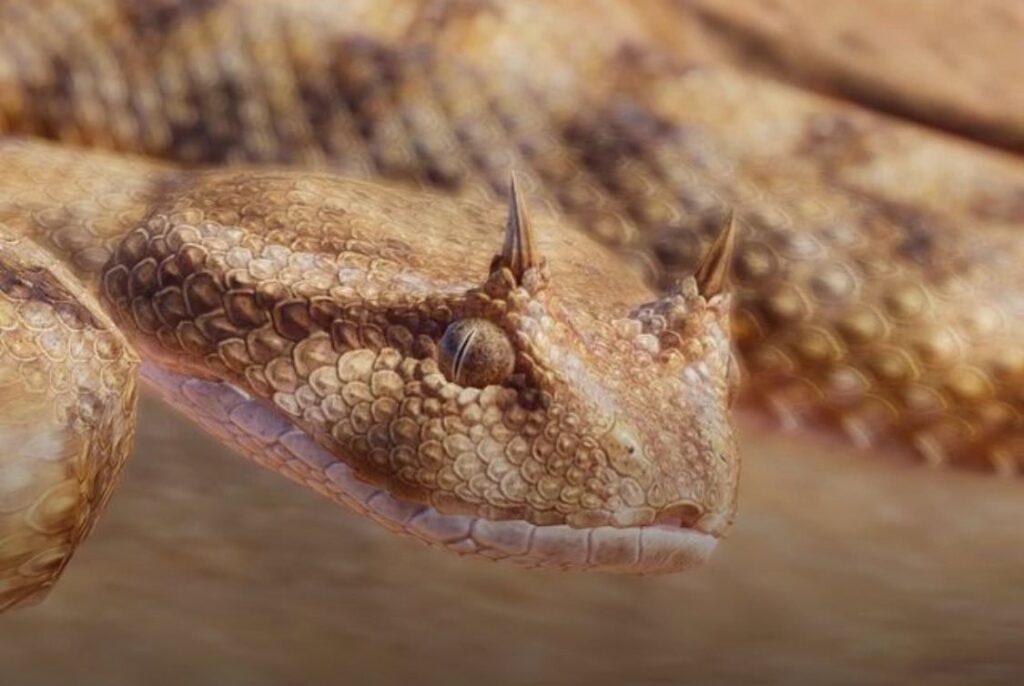
1. Measuring in at around 1 to 2ft long, the Desert Horned Viper is a small yet common species found in the deserts  of Northern Africa and the Middle East. Females are slightly larger than males
2. They can live to be 14 to 18 years old
3. The horns of the desert horned viper which this species is named for are specially adapted scales that help protect the snake’s eyes from sand and the sun’s glare  . However, only 50% of desert horned vipers actually exhibit this feature. These scales can fold down when going thru tight crevices
4. The desert horned viper has specially adapted sharp-edged scales on its underside that allow it to grip to loose sand. Plus the striped mixed dull colored scales they have helps them blend in. Even more so when they bury themselves under sand; with just their eyes  , nose and horns showing!
5. This snake can fill its scales with morning dew and uses the reserves as a water  resource. They also get moisture from the food it eats
6. The desert horned viper is a Nocturnal ambush predator, meaning it lies hidden and then lunges quickly to grab prey as it passes by the snake’s hiding spot as it senses vibrations thru its stomach scales. It can wait for hours on end ; just until a beetle  , scorpion
  , lizard
  , small rodent
  , or bird
  comes by!
7. The desert horned viper’s venom causes swelling, bleeding  , necrosis, nausea
  and vomiting
  in humans, but is rarely fatal
8. When it detects a predator such as a jackal  , hyena , honey badger
  , sand cat
  , bird of prey
  , monitor lizard, or other species of snake
  ; they’ll rub their scales together to make a rasping sound to scare enemies ; along with swishing its tail like a cat
9. The desert horned viper moves quickly at and easily across the sand by sidewinding at 2mph, keeping parts of its body off the sand to keep cool  . This movement is similar to the North American
  Sidewinder rattlesnake
10. Desert horned vipers are solitary. They only interact with other individuals to mate. Breeding for these snakes takes place while buried in sand, so very little is known about it. Mating events appear to take place in April to June, when a male and female viper meet
11. Soon after mating, the female viper lays a clutch of 8 to 23 eggs underneath rocks  or in an abandoned burrow. The eggs hatch after 50 to 80 days & the young are on their own the moment they hatch
  ; and reach full maturity at 2 years old.
Next weeks feature Creature hint 
 : while this animal is also venomous; its more cute
  and cuddly looking. But make no mistake; with its deadly bite and venom from an unusual spot; this nocturnal primate wouldn’t make a very good pet.
Wild Animal Facts: Green Iguana