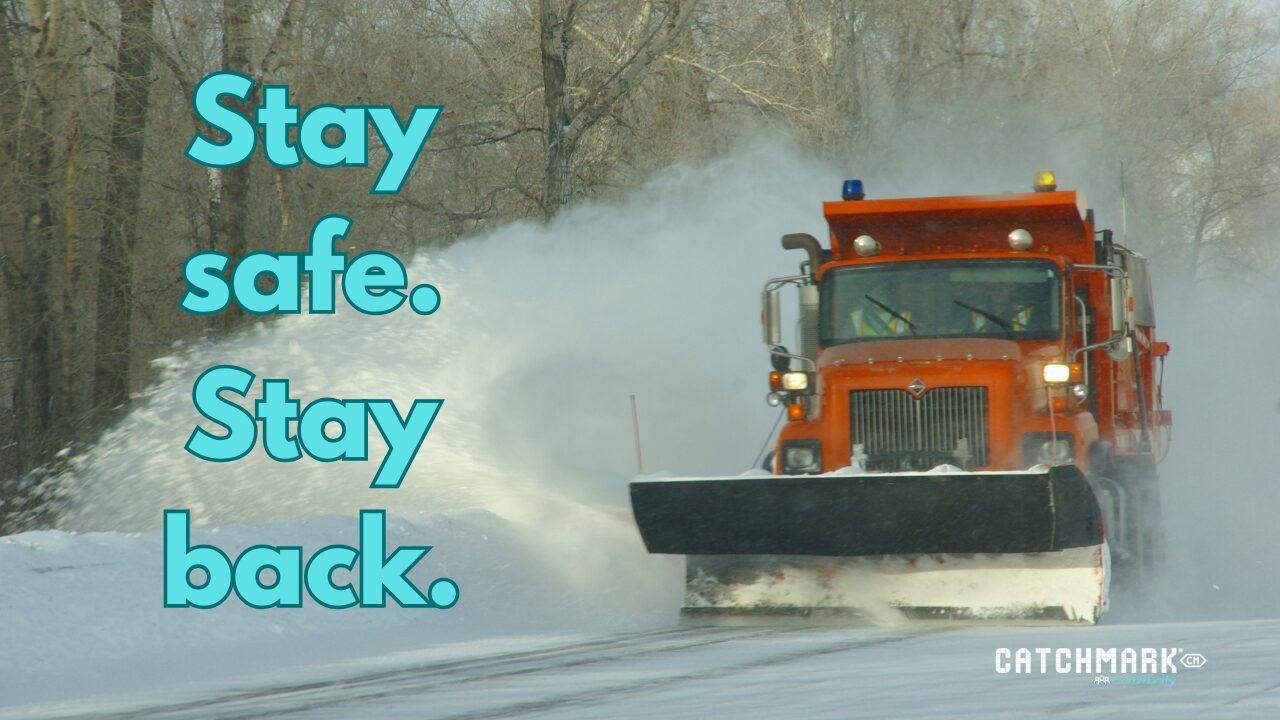
When winter storms roll through West Michigan, most of us focus on clearing our driveways, warming our cars, and getting safely to work or school. But before any of us hit the road, a dedicated team of snowplow drivers is already out battling the storm—often for hours before sunrise. Their work keeps Muskegon County’s roads passable, but they can only do that job effectively and safely when drivers give them the space they need.
Driving around a snowplow isn’t like driving around an ordinary vehicle. These trucks are large, slow-moving, and equipped with blades and spreaders that extend several feet beyond the truck’s main body. Crowding or attempting to pass them can create dangerous—and sometimes fatal—situations. Here’s what every driver should know before venturing out this winter.
Why Snowplows Need Extra Space
1. Snowplows have large blind spots
Operators can’t always see vehicles following too closely. Tall drifts, swirling snow, and massive truck frames all reduce visibility. If a driver can’t see the plow’s side mirrors, the plow driver probably can’t see them either.
2. The blade extends farther than you may think
Passing a plow—especially on the right—is extremely dangerous because the plow blade can stretch several feet past the truck. A vehicle attempting to squeeze by may collide with the blade or get caught in the snow ridge it throws.
3. Road conditions are always worst in front of the plow
Plow drivers clear and treat the road behind them. Passing a plow means entering unplowed, untreated, often icy conditions. Even if it feels slow going, the safest place to be is behind the plow.
4. Plows often make sudden stops or turns
Plows may need to slow down, avoid obstacles, reposition the blade, or make wide turns—especially when clearing intersections or backing up. Following too closely leaves no room for error.
How to Drive Safely Around a Plow Truck
Slow down when approaching a plow
These vehicles typically travel well under the speed limit—sometimes 25–35 mph, depending on the conditions. Reduce your speed and be patient. Their job helps everyone get where they need to go.
Never pass a plow on the right
The Muskegon County Road Commission emphasizes this for good reason: the right side is the danger zone, where the blade extends and snow discharge is strongest. Attempting to pass here is one of the leading causes of plow-related accidents.
Only pass on the left—and only when absolutely necessary
Even on the left, passing should be done only with extreme caution and in clear, safe conditions. Snowplows can create whiteout conditions that make visibility nearly zero.
Keep a safe distance (at least 200 feet)
This gives the operator space to work and provides you with enough reaction time if the plow suddenly slows or stops. It also protects your vehicle from flying snow, salt, and debris.
Adjust your speed to match conditions
Snowplows operate in the very weather most drivers struggle with. Speed limits are not suggestions—but in winter, they may not be realistic. Slow, steady, and cautious is always the safest approach.
The Importance of Respecting Plow Crews
Behind every plow is a driver spending long, grueling hours away from home to make local roads safer for all of us. They work in darkness, freezing temperatures, and poor visibility. Giving them room isn’t just a legal requirement—it’s a sign of respect for the essential work they do.
By staying back and driving with patience, you’re helping these operators clear your roads more quickly and efficiently. Safer roads mean fewer crashes, fewer delays, and a quicker return to normal life after a storm.
Final Thoughts
Michigan winters can be unpredictable, but the rules for driving around plow trucks are clear: slow down, stay back, and never crowd the plow. A little patience goes a long way—keeping you safe, keeping plow operators safe, and keeping our communities moving.
If you’d like a sidebar, infographic, or social-media-ready version of this article, I can create that too!
Stay connected to what’s happening in our area by visiting CatchMark Community.
Powered by CatchMark Technologies — helping people, solving problems. Explore more on our website.