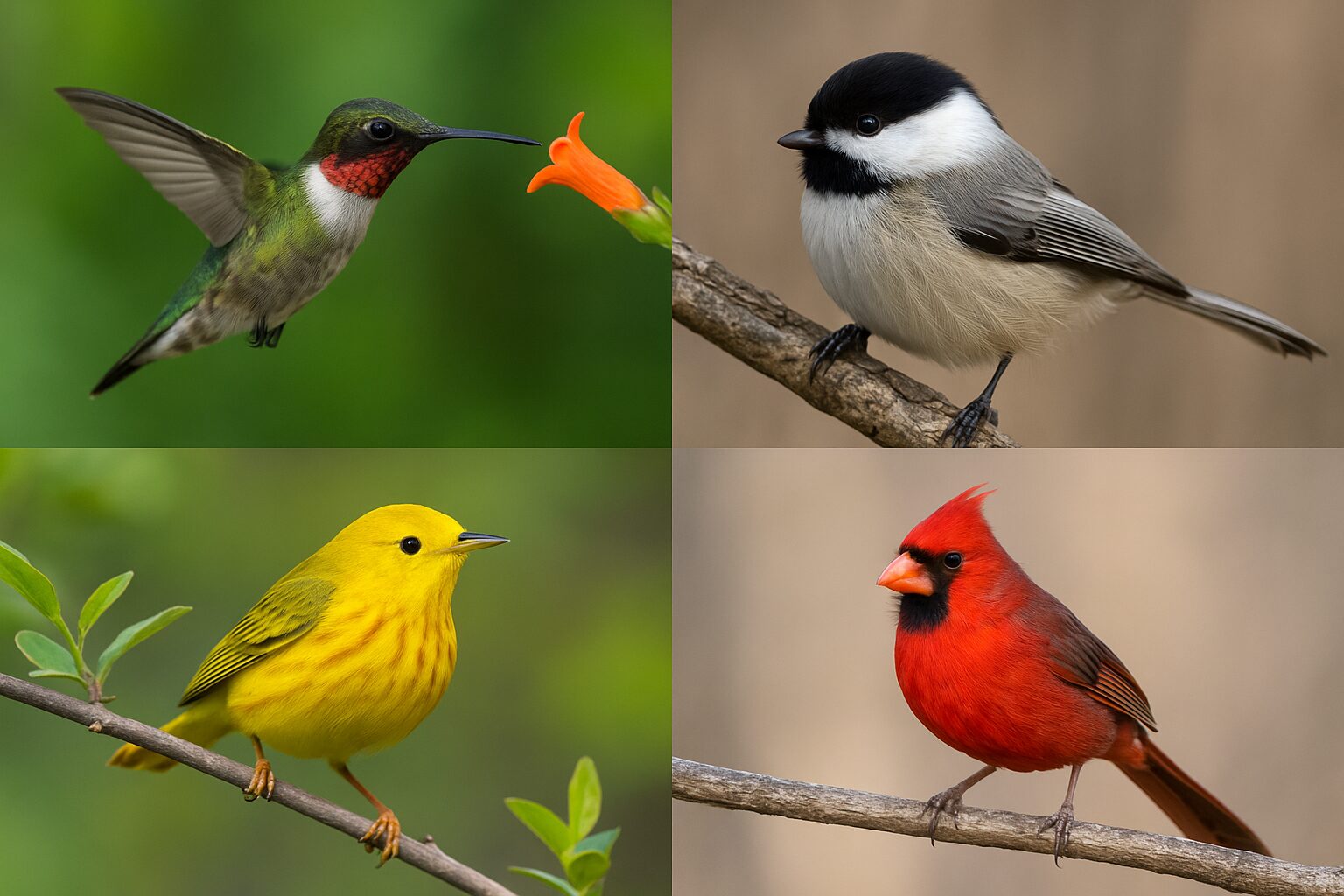
West Michigan sits along Lake Michigan and part of the broader Great Lakes region, which serves as both a breeding ground and migration corridor for many bird species. The rhythms of spring, summer, fall, and winter bring different arrivals and departures. Below are some of the key patterns, timings, species, and interesting behaviors.
Migration Timing: When Birds Leave & Return
Season
What Happens
Typical Timeframe
Spring Arrival
Birds that migrated south for the winter start returning to Michigan to breed. Early migrants include waterfowl, ducks, geese, warblers, flycatchers, shorebirds.
Late March – May. For example, many sparrows, kinglets, yellow-rumped warblers arrive mid-April. Ruby-throated hummingbirds are often back in mid-April. Peak migration is in May.
Spring Nesting & Breeding
Once territory is settled, nesting begins.
May through June for many songbirds; warblers and flycatchers often nest during this window.
Fall Migration South
After breeding and raising young, many species begin shifting south for the winter as food becomes scarcer.
Late August – September, some stragglers through October. For example, Ruby-throated hummingbirds usually leave by end of August to early September.
Who Migrates, Who Stays, & What They Do
Migratory Species (that leave West Michigan for winter)
Here are some of the birds that breed or pass through West Michigan in the warmer months but migrate south when winter approaches:
Ruby-throated Hummingbird: Arrive in spring (often mid-April), breed, then depart in late August to early September. A few may linger into later fall if conditions are favorable.
Warblers, Flycatchers, Thrushes, Shorebirds: Many of these insect-eating and shore‐dwelling species are gone by late autumn. They depend on warm weather and abundant insects or aquatic prey, so cold kills off much of their food supply.
Kirtland’s Warbler: A special example. This rare warbler has a breeding range in parts of Michigan (especially northern Lower Peninsula) during spring/summer, but winters in the Bahamas, Cuba, and nearby islands. It migrates back north in April–May, then leaves again between August and October.
Winter Residents & Partial Migrants (those that stick around or arrive only in winter)
Some species either stay in West Michigan year-round or migrate into the state for winter (but breed elsewhere). They have special adaptations or behaviors that let them survive the cold. Here are examples:
Chickadees (Black-capped Chickadee), Nuthatches, Cardinals, Blue Jays: These are classic “resident” species. They do not make long migrations. They stay through winter, surviving cold with food stored or finding seeds, insects under bark, etc.
Waterfowl & Ducks: Many ducks migrate, but those in the Great Lakes region linger as long as open water remains. When water freezes over, birds move further south. But while water is accessible, species like common mergansers, scaup, etc., can be abundant.
Winter Finches (e.g. Pine Siskins, Crossbills if present): These are irregular visitors (“irruptions”) that sometimes appear in large numbers during winter, especially when food sources (like conifer seeds) in the north are scarce.
What the Resident & Winter Birds Do to Survive Winter
Birds that stay through Michigan winters (or come into Michigan winter) have various strategies to cope with the cold, lack of insects, snow, and ice.
Finding food
Seed-eating: Birds like chickadees, sparrows, juncos, cardinals rely heavily on seeds (wild seeds, grasses, weed seeds) and at human feeders.
Berries & fruit: Some species eat winter berries, e.g. cedar waxwings, robins (when available), etc.
Insects under bark or in crevices: Birds like woodpeckers continue to forage under bark; others probe snow or leaf litter.
Behavioral adaptations
Roosting and shelter: Birds seek dense cover, evergreens, or cavities to reduce exposure.
Fluffing feathers: To trap insulating air.
Huddling or communal roosts: Some species share shelters.
Reduced activity on worst weather days: Less movement to conserve energy.
** physiology & fat reserves** Birds build up fat stores during fall. Some species shift diets and increase food intake to survive nights and storms.
Specific Dates & Windows You Can Expect
Here are some of the windows and markers for West Michigan:
Mid-April: Many migrant songbirds, warblers, sparrows begin returning. Also good time for hummingbirds arriving.
Late May: Peak migration for many warblers, flycatchers; shores are busy with shorebirds; waterfowl departure slows.
Late August to early September: Many migratory species begin departing. Hummingbirds leave around this time.
October – November: Final migratory movements, particularly among waterfowl and late songbird migrants. Once water bodies freeze, waterfowl shift.
December-February: Winter fully set in. The birds you’ll mostly see are the winter residents, winter arrivals, and species that can forage in harsh conditions.
Interesting Cases & Exceptions
American Robin: Though many robins migrate, some stay through winter, especially where food (berries, fruit) and open ground are available (e.g. along rivers, near human habitations).
Red-tailed Hawks and other raptors: Partial migration. Some remain if prey is available; others move south. Their migration tends to happen during favorable winds; adults and juveniles may behave differently.
Why these Patterns Exist
Migration and winter residency are shaped by:
Food availability: Insects die off; open water freezes, so species dependent on these must move.
Energy costs vs survival: Sometimes staying is cheaper (energetically) than migration if local conditions allow enough food and cover.
Predation risk, weather severity: Harsh winters with deep snow and ice reduce survival chances for many species.
Genetic and evolutionary history: Some species have evolved migratory habits; others are adapted to cold.
Kara Raeth is the DMM Service Lead at CatchMark Technologies, bringing over 15 years of experience in web development, customer service, and project management. She joined the company in 2019 as a Web Developer and has since expanded her role to include office management, accounts receivable and payable, and project management. Kara proudly served in the U.S. Army, where she specialized in signal and communication intelligence—developing a strong foundation in secure communication and technical systems. Her combined military background and digital expertise make her a vital asset to CatchMark’s digital marketing and media operations.