Hey Wild Fact Fans!
Seth here with the new Friday Feature creature. Don’t forget to please like, share and comment questions down below If you have any on this weeks animal ^^
This weeks feature creature is in honor of a new creature related event coming up this weekend; covering one of the rarest unique mammal oddities from the lands of Australia  . many already know that this island
  continent is famous for its unique and somewhat strange creatures; unlike anywhere else in the world
  ; this one is no exception; as its one of the only egg
  laying mammals of its kind. Like a cross between an anteater and a porcupine with an amazing 6th sense like its more famous semi aquatic cousin; although this creature is just as admired; appearing on its country’s stamps , coins
  , and even as Olympic team mascots; plus as the inspiration for a red super punching character we all know and love
  !
!
And the feature creature event is: Short Beaked Echidna
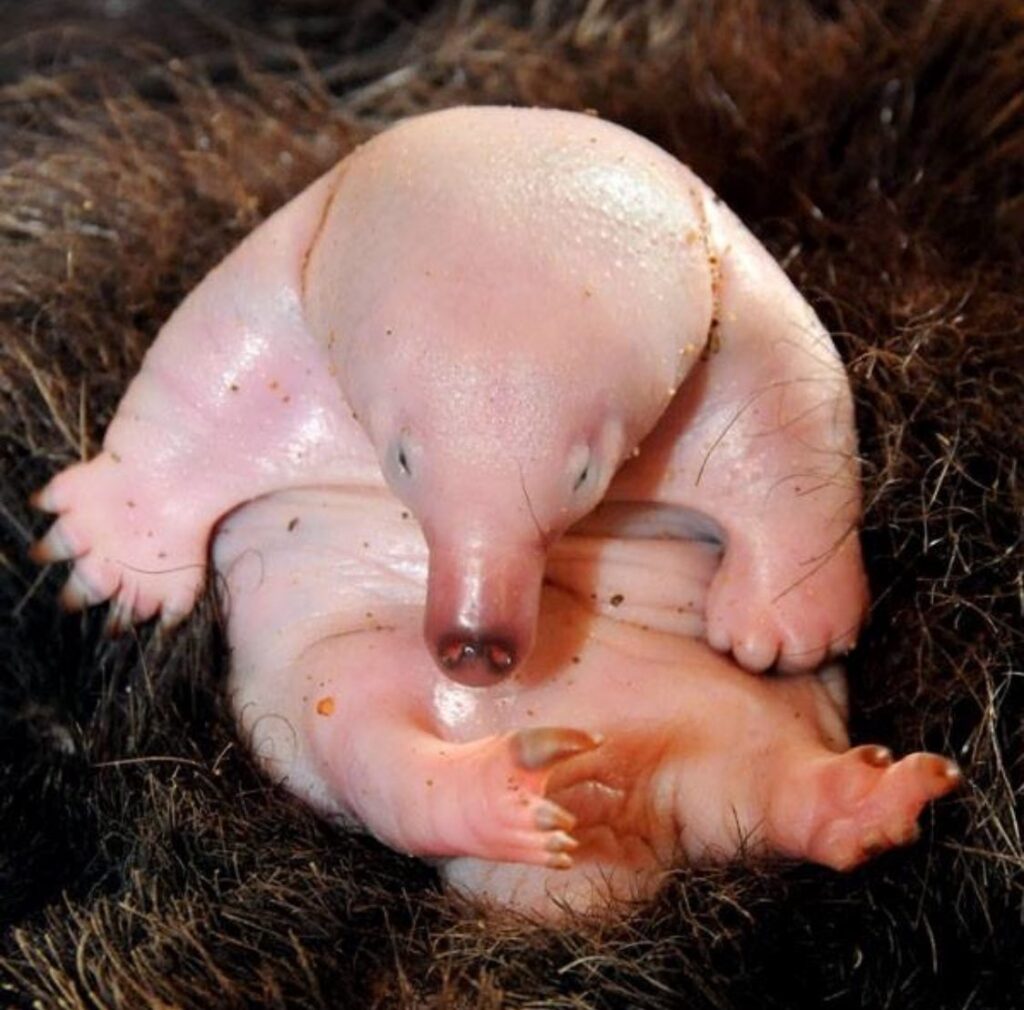
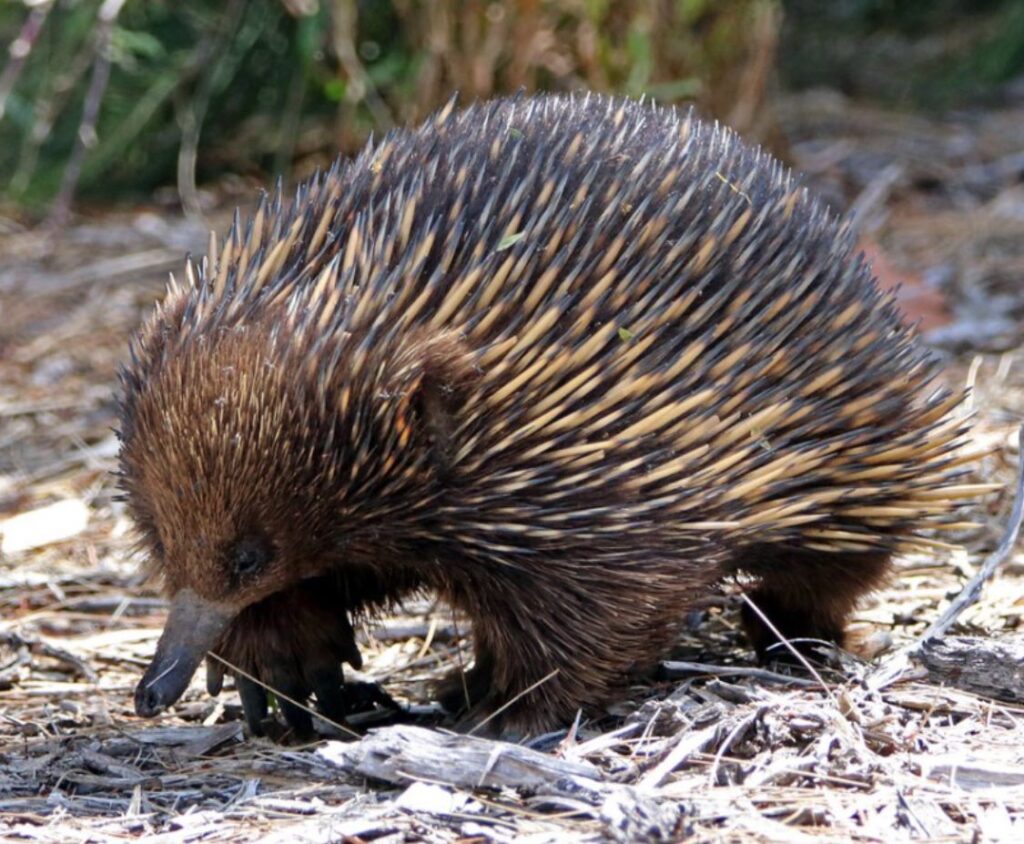
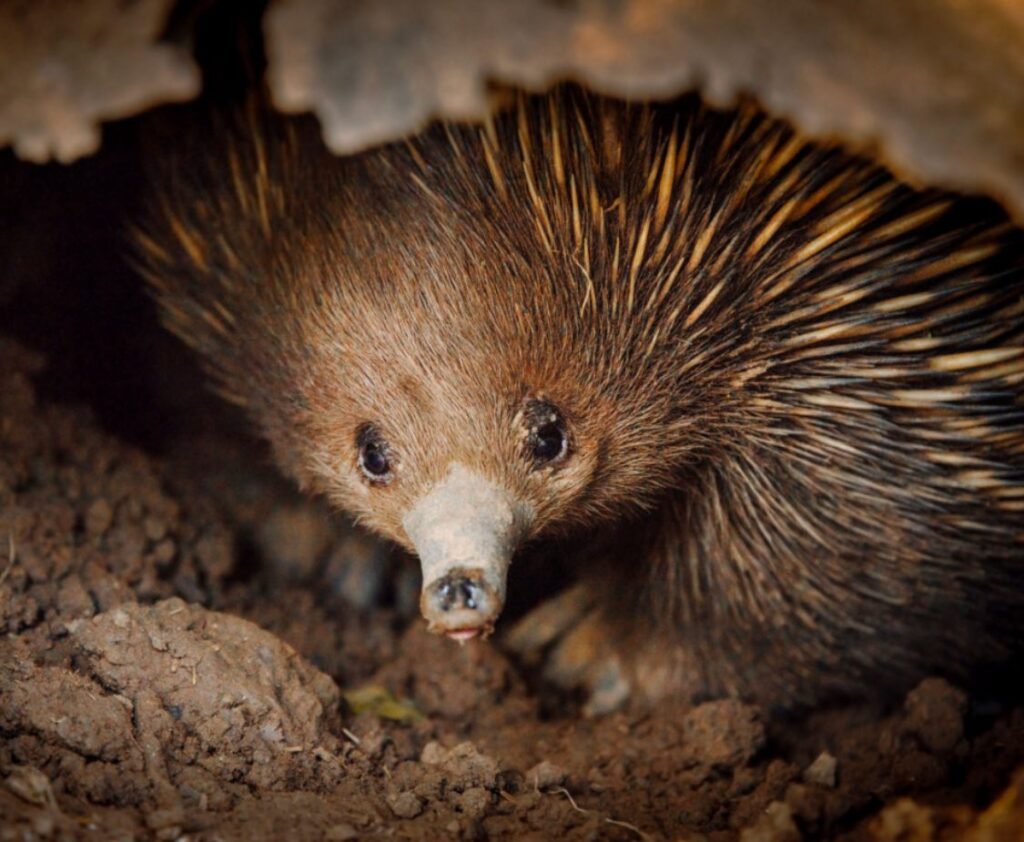
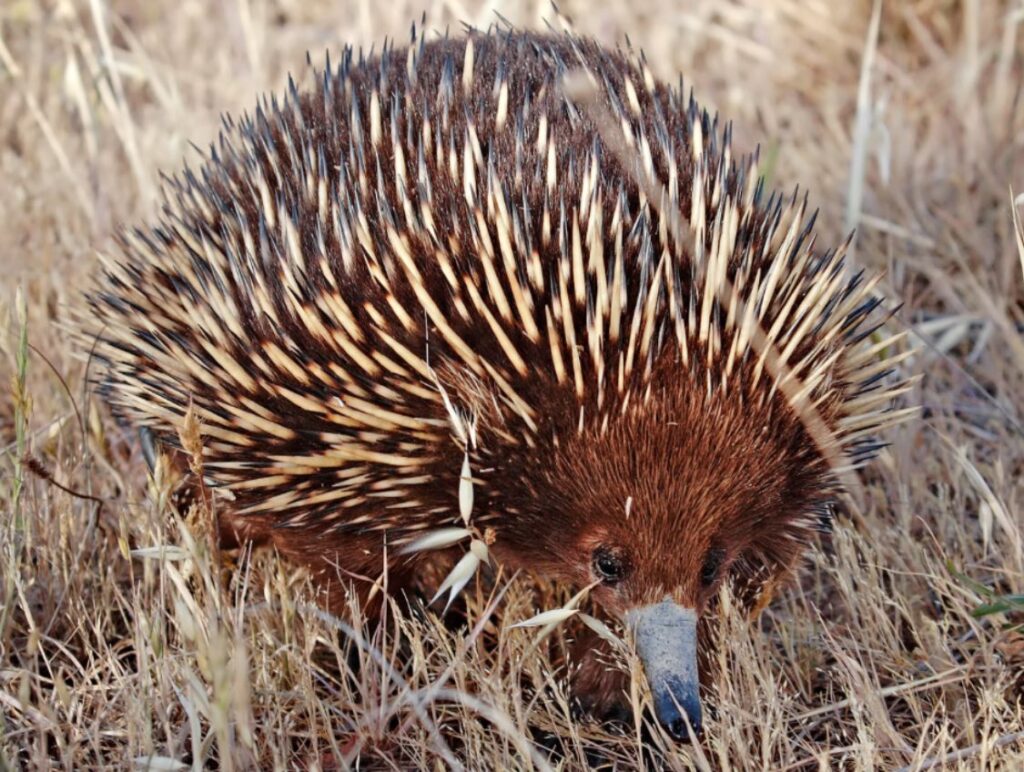
Echidna Day (July 19th): a day to celebrate and raise awareness about echidnas, unique egg-laying mammals native to Australia and New Guinea 
1. At around 12 to 18 inches long and weighing about 4 to 15lbs; the short beaked echidna is the smallest of the two main echidna species; but the kost widespread being found in New Guinea , Tasmania , and Australia as the only species found on the island continent.
2. Their short 3 inch beak like snout is how the short beaked echidna got its name
3. Echidnas are one of the oldest living mammals on earth  ! They’ve been around for 70 million years , around the time dinosaurs
 were around! They’ve been evolved from a same ancestor of the platypus 19 to 48 mya!
4. Short beaked echidnas can live to be 50 years old!
5. Mainly they can be found in scrubland, near forests  , around billabongs, and even in deserts
  ; making their homes around rocks
  , in spots between tree
  roots, and inside hollow logs
  . In cold
  regions; they’ll even hibernate
  !
!
6. With it also being known as the Spiny Anteater ; Echidnas are insectivores that mainly eat ants  , termites , worms
  , grubs
  and other small insects
  . They also eat spiders
  and eggs (drinking the yolk out of em)
7. with sharp claws perfect for digging; a 7inch long sticky tongue  and able to sense electricity
  thru electroreceptors they have on their snouts to detect movement, plus good eyesight . Theyre mostly nocturnal and crepuscular creatures
8. During the heat  of the day; they hideout in their burrows; and are so accustomed to living underground; they can survive in carbon dioxide rich and low oxygen environments. They can even hide out in the burrows thru wild fires
  ! (As long as it doesnt get too hot for em)
9. Echidnas have a long claw spurs on their backs feet used for grooming and getting pass their sharp spines
10. Echidnas have the flattest eyes of all mammals ; with them also being hard to protect them from their spines when they roll up into a ball  .
.
11. Echidnas are smarter than they look, with huge prefrontal cortexes that are used for high level strategic thinking and good memories . Experiments show theyre as smart as cats  and rats
  !
!
12. Like all monotremes; echidnas dont have teeth  ! They instead use spiked plates made of keratin in their mouths
  to mash the ants and termites they commonly eat into mush and swallow it. They also have no stomach acid as well; so solid materials just pass thru.
13. Their spines like porcupine quills, are modified hairs made of keratin ; but unlike porcupines; they dont shed or loose their spines!
14. When threatened; they’ll either roll up into spiky balls like hedgehogs  do or dig into the earth and keep their spiny backs exposed to keep predators away. Side spines along with its claws help it stay locked in place so it cant be pulled out. Their spines also resemble scraggly vegetation; which makes great camo! They can also admit a stinky
  odor to drive enemies away too
15. Despite their tough defenses ; they have to watch out for Dingoes  , foxes
  , goannas
  , birds of prey like wedge tailed eagles
  , pythons
  , tasmanian Devils , feral cats , and crocodiles
16. While they dont look it; echidnas are surprisingly good swimmers  ! They are known to swim in rivers, lakes, and even the ocean
  , often using their snouts as snorkels
  ! Mainly they do it to keep cool since they cant sweat
  or pant to cool down. Their hollow spines act like a lifejacket to keep them afloat
17. Mainly solitary, the main exception is during the breeding season where a female emits and odor to attract males to follow her in a echidna conga like train  . Up to 10 males may join in this and soon compete to mate with the female; with a dominant male leading the train
18. Being a monotreme; short beaked echidnas lay a single small leathery egg after 22 days after mating, which she keeps in her body pouch to keep warm till it hatches in 10 days. A baby echidna is called a Puggle; and will stay in the pouch for 50 days; feeding on milk  that oozes from the skin in the pouch! A puggle is 0.6 inches when born and weighs as much as a dollar bill
  ! It’ll take 6 to 8 weeks for a puggle to grow its fur & spines
19. With a body temp of 91.4 degrees ; echidnas and other monotremes have the lowest body temps of all mammals! They have short coarse hair to keep them warm and can go into torpor to save energy.
20. Short beaked echidnas also have the shortest spinal cord of all mammals as well
Next weeks feature creature hint  : this small canine is a tough top predator that roams in packs deep within the worlds largest rainforesteao.