Now that the Fourth of July has passed and the fireworks, noise, traffic, and activity have settled down, I have had a little time to reflect on how our community celebrated this year.
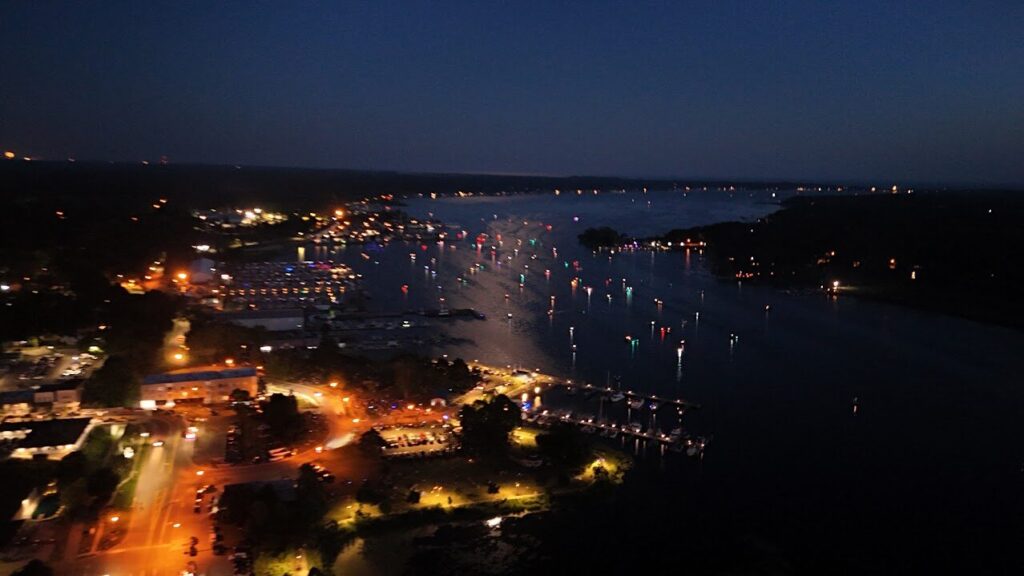
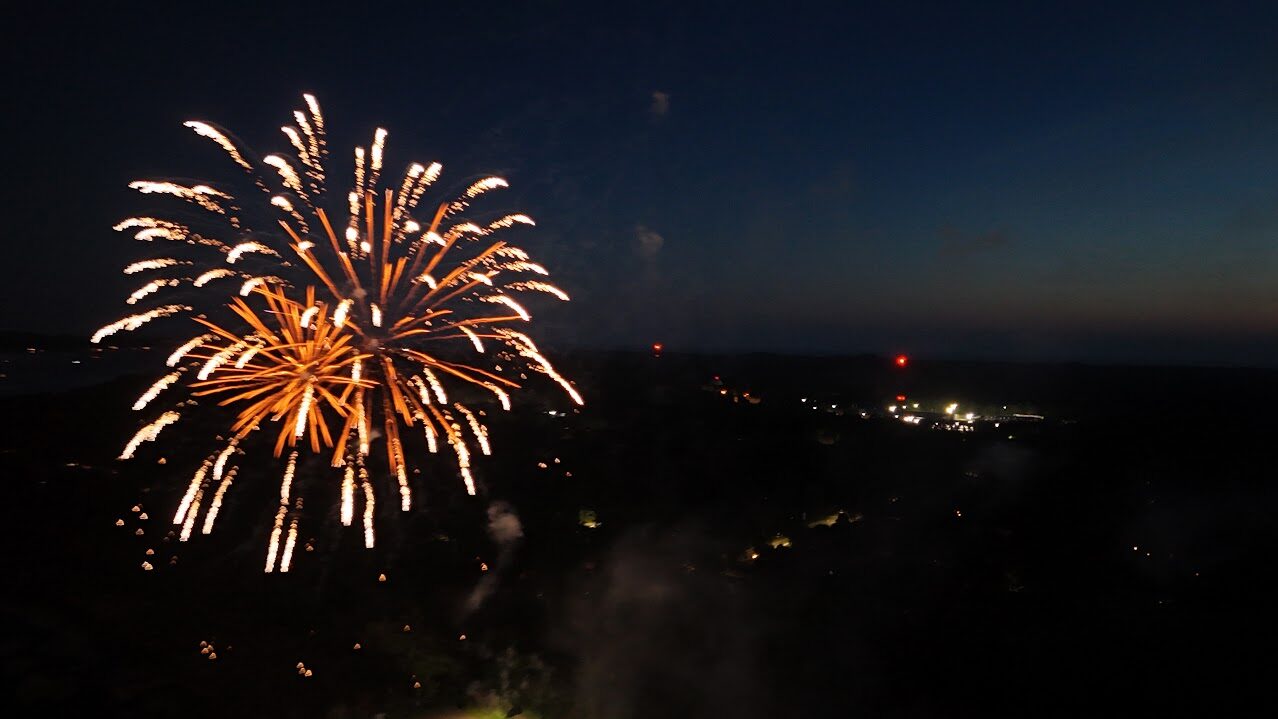
Because of the increased cost of fireworks tied to the United States’ 250th anniversary, the traditional schedule had to change. Instead of holding the parade and fireworks on the same day, the events were split across two different days.
When the change was first announced, I heard plenty of complaints.
People liked the tradition. They liked knowing how the day would unfold. The parade happened, families gathered, people moved through town, and fireworks finished the evening. It was familiar, predictable, and part of what many people had come to expect from the holiday.
I understood the frustration.
But now that it is over, I think I may have actually liked the new format better.
Holding the parade and fireworks on separate days allowed each event to have its own moment. The parade did not feel like something we had to rush through before moving on to the next activity. Families could come downtown, enjoy the community, see friends, support local businesses, and participate without feeling like they needed to immediately prepare for the evening.
The fireworks also became their own event.
Instead of being the final item on an already long and exhausting day, they gave people another reason to gather. It extended the celebration and created two community experiences instead of trying to fit everything into one packed schedule.
There was something nice about that.
The Fourth of July can become one of those holidays where we try to do too much. We want the parade, cookouts, time on the water, family gatherings, concerts, activities, and fireworks all squeezed into a single day. By the end, everyone is tired, children are worn out, traffic is backed up, and what is supposed to feel celebratory can start to feel like work.
Splitting the events created a little more breathing room.
It also gave people options. Some residents may enjoy the parade but have no interest in staying out late for fireworks. Others may prefer the fireworks and evening atmosphere. Families with small children, older residents, business owners, and volunteers all have different schedules and different levels of energy. Two separate events made it easier for people to participate in the parts they enjoyed most.
That does not mean the change was perfect.
Anytime a long-standing tradition changes, there will be confusion. People need time to adjust. Scheduling around work, family plans, and visitors may have been more difficult for some. There is also value in having one large, shared day when the entire community seems to be moving together.
But sometimes changes made out of necessity reveal a better option.
This year’s schedule may not have been designed as an experiment, but it became one. We tried something different because circumstances forced us to, and now we have the opportunity to honestly evaluate how it worked.
My initial reaction was probably similar to many others. Why change something that people already enjoy?
After experiencing it, though, I am not convinced the old way was automatically better simply because it was familiar.
Traditions matter, but traditions should also be allowed to evolve. The goal should not be to repeat the exact same schedule every year. The goal should be to create meaningful experiences that bring people together, celebrate the community, and make the holiday enjoyable.
This year, separating the parade and fireworks may have done exactly that.
I heard a lot of complaints when the decision was announced.
Now that it is over, I think I liked it.
Follow along on social media for daily updates, community highlights, and moments that happen between the headlines.
Facebook • Instagram • YouTube • TikTok • LinkedIn • X
Stay connected to what’s happening in our area by visiting CatchMark Community.
Powered by CatchMark Technologies — helping people, solving problems. Explore more on our website.