WHITEHALL, MI — In 1997, standing in a quiet Chicago cemetery, Steve Salter experienced a moment that would change his life forever. As he walked among the graves of blues artists who had inspired generations, he was stunned to discover that many of them lay in unmarked graves—their names and legacies slowly fading from physical memory. Among them was Otis Spann, one of the most influential blues pianists of all time. “I was profoundly saddened and disheartened,” Steve recalls. “Otis was not the sole blues artist I encountered that day without a grave marker, which compelled me to work on this injustice and embark on a lifelong mission to ensure that no blues artist would end up in an unmarked grave.”
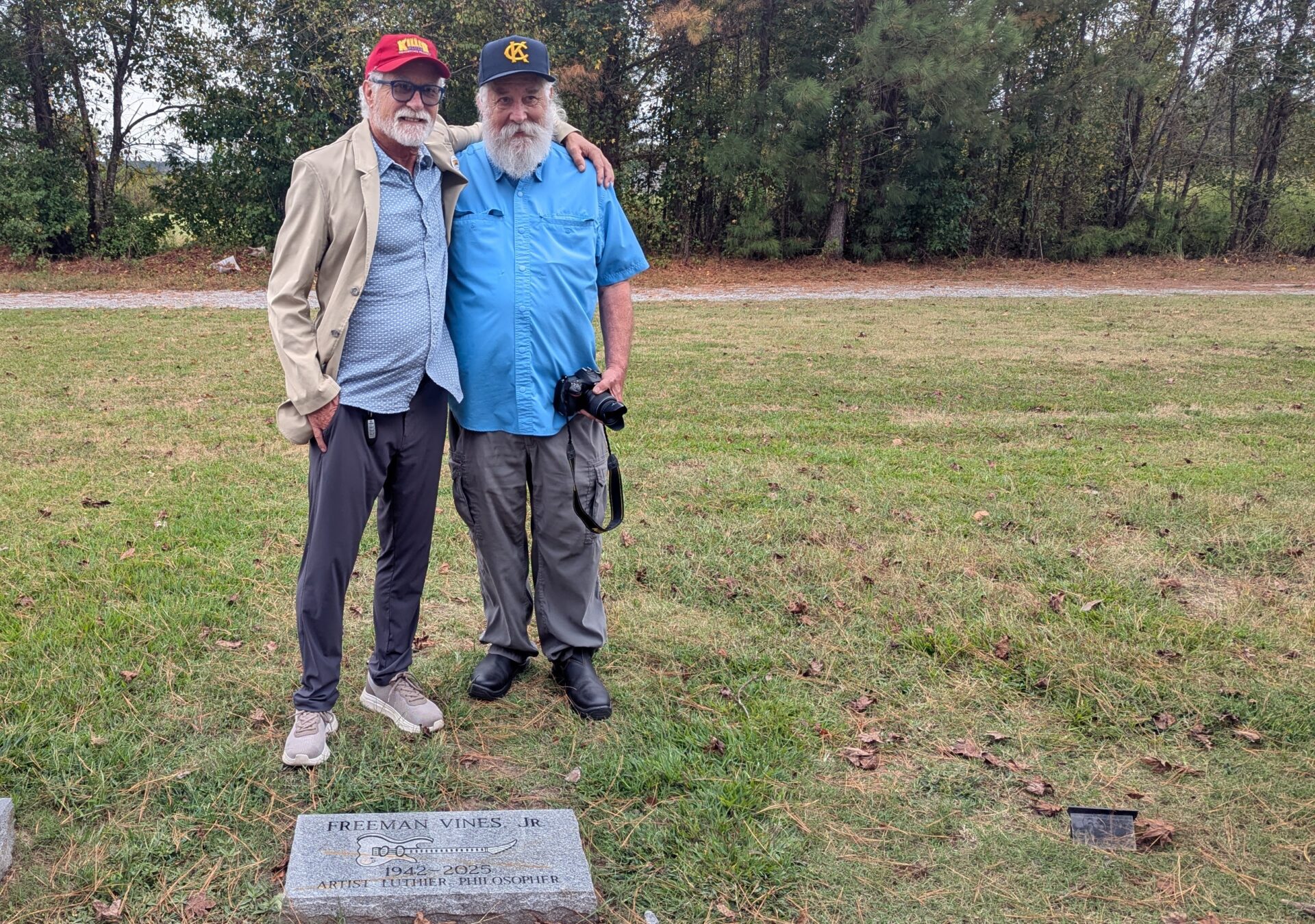
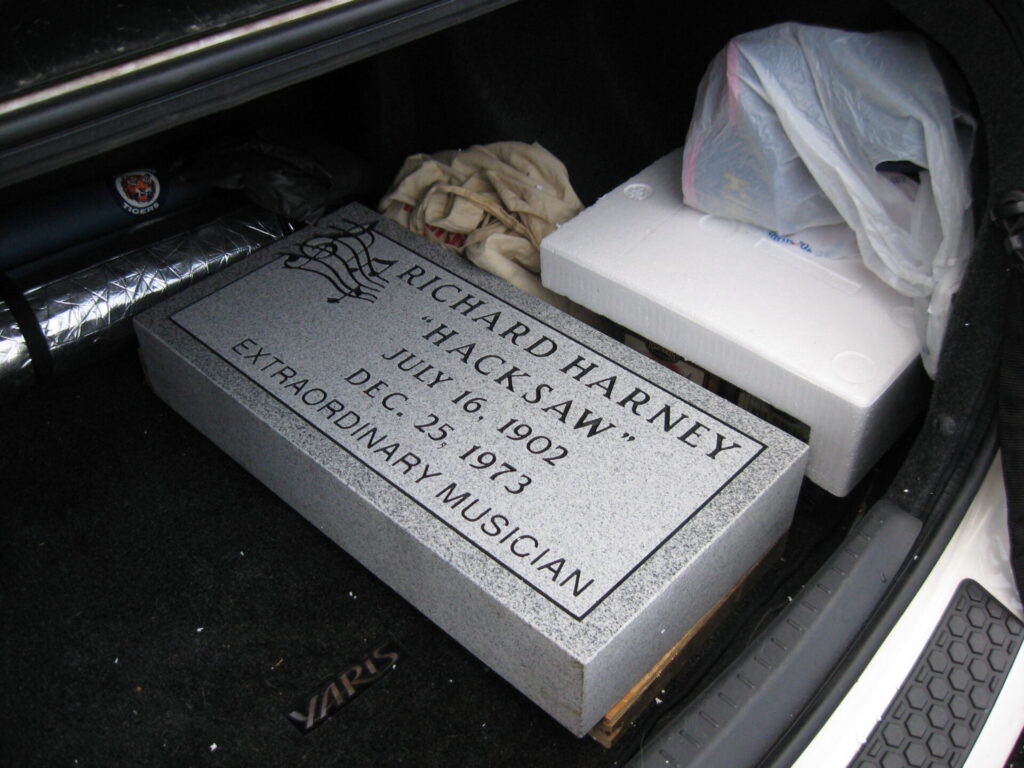
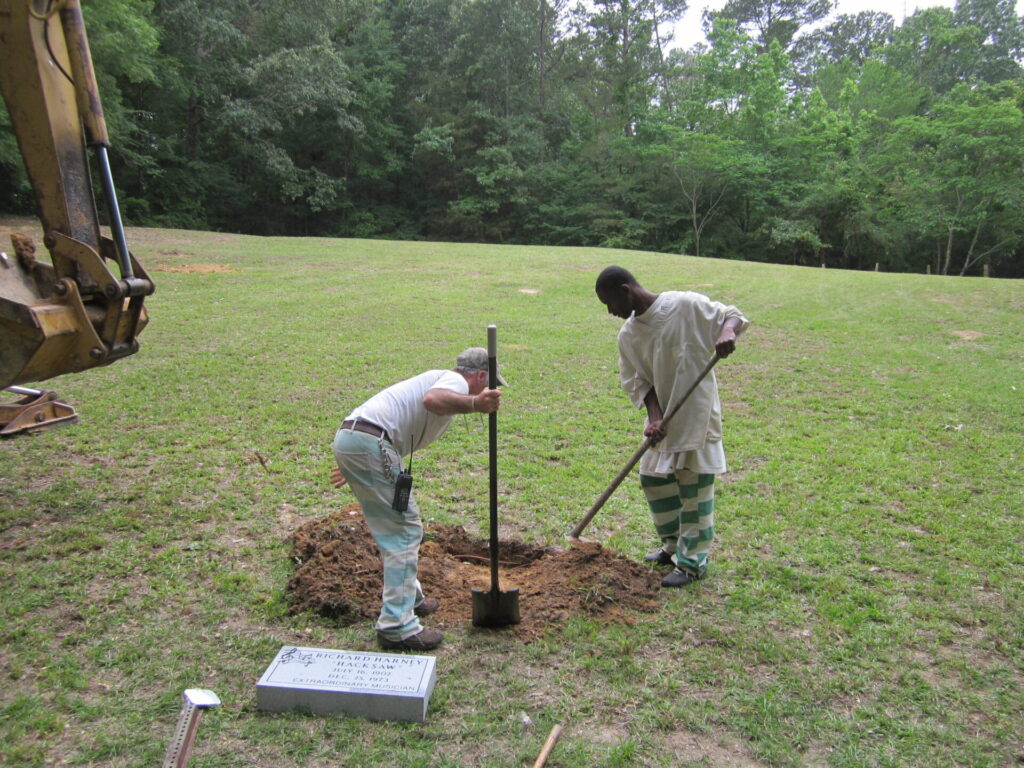
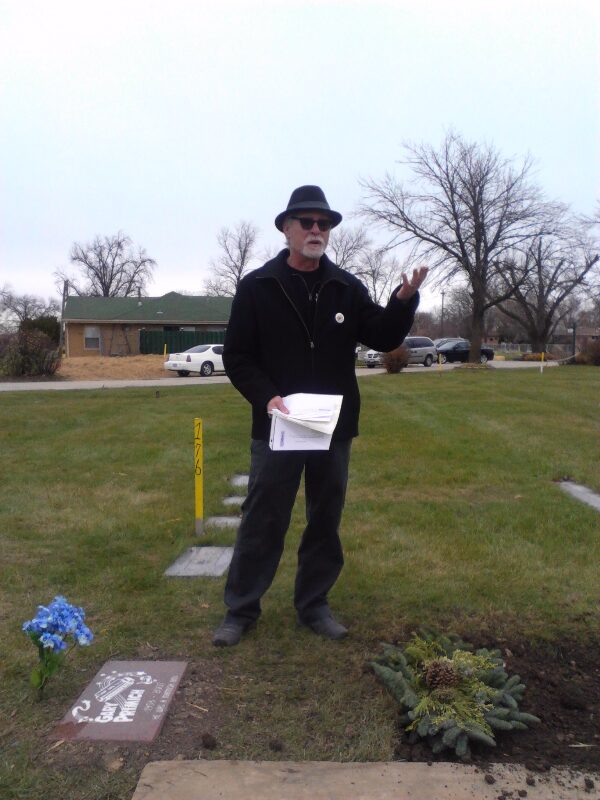
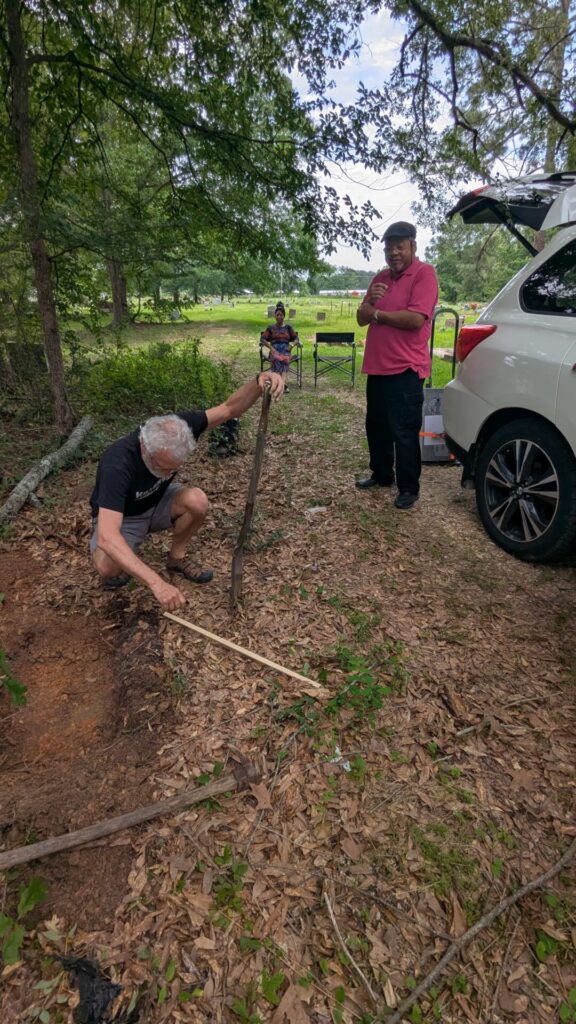
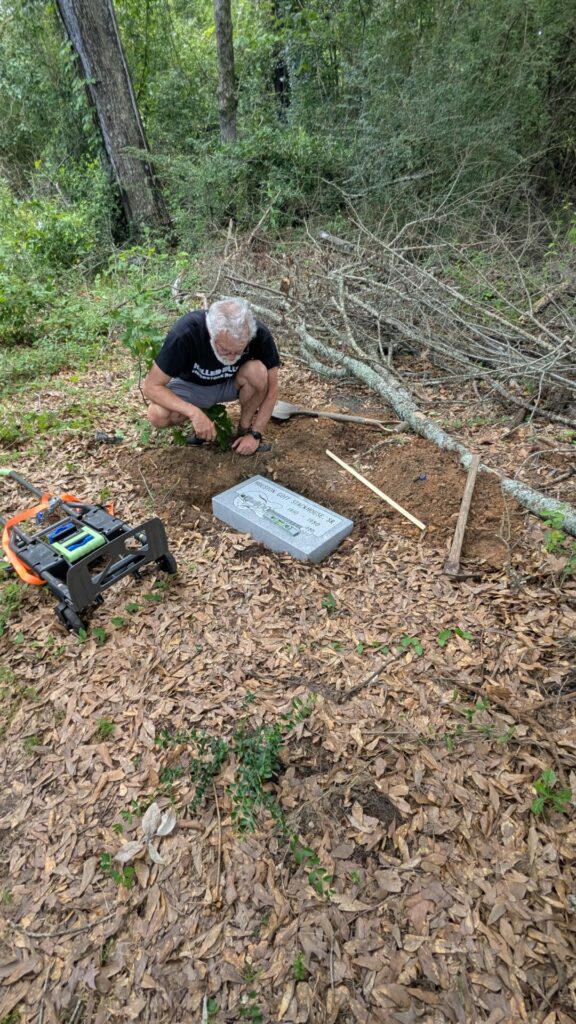
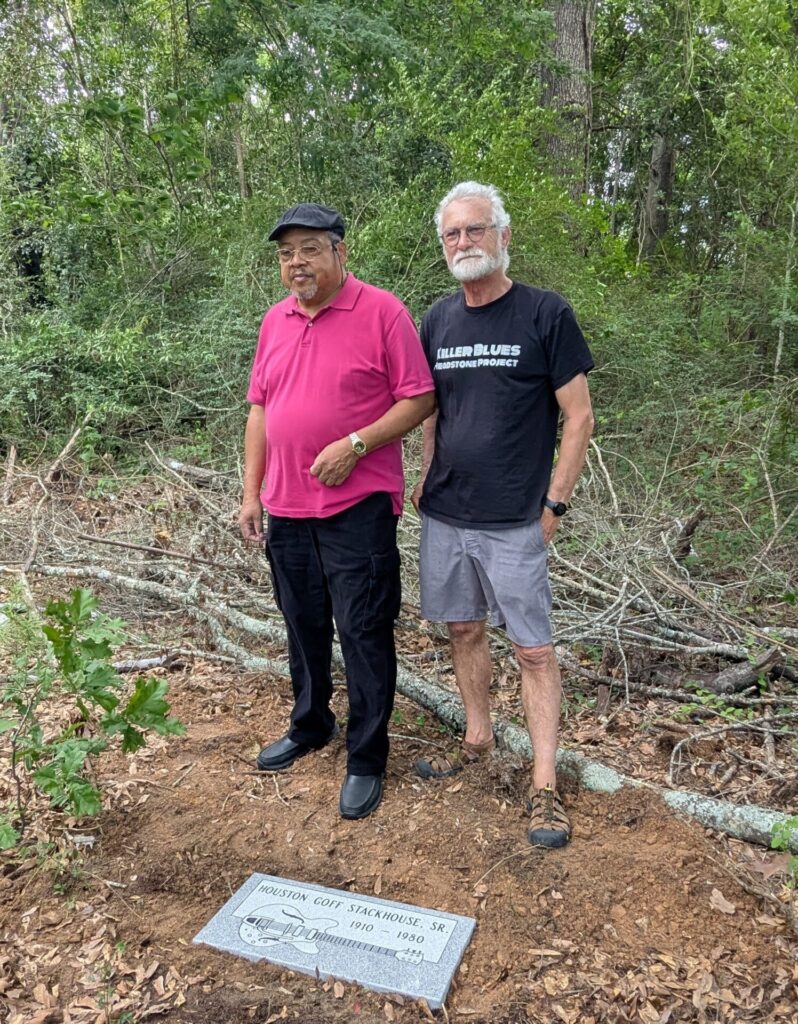
That mission became the Killer Blues Headstone Project, a 501(c)(3) non-profit organization dedicated to providing headstones for blues artists resting in unmarked graves across the country.
A Lifelong Love Affair with the Blues
Steve’s connection to the blues began long before that pivotal day in Chicago. It was the summer of 1965 in Muskegon, Michigan. Fourteen-year-old Steve was wandering the city with his transistor radio when he heard The Animals’ “We Gotta Get Out of This Place.” The raw power of the music stirred something in him. “That was the moment I felt the desire to delve deeper into the realm of music,” he says. It became the start of a lifelong journey of exploration and discovery.
Not long after, Steve met Billie Thomas, a blues aficionado who ran Tant Enterprises in Montague, just a few miles from Steve’s home. Their Sunday mornings together in Billie’s warehouse were filled with the crackling sound of 78rpm records from the 1920s and ‘30s. Billie would pull a record from his extensive collection, drop the needle, and share colorful stories about the artists and their lives. “Those mornings were a delightful ritual,” Steve remembers. “Billie became a mentor and dear friend.”
From Road Trip to Non-Profit
After discovering the unmarked graves in Chicago, Steve began compiling a list of birth and death dates of blues artists, researching their burial sites, and documenting which graves lacked markers. As the internet transformed the music industry and CD sales dwindled, he sought new ways to raise funds for his growing mission. In 2008, he published the “Buried in the Blues” calendar, which listed over 1,000 birth and death dates of blues artists—a one-of-a-kind resource. That same year, he organized the first White Lake Blues Festival in Whitehall to raise awareness and funds. The festival was a success, leading to the placement of the first headstone for Big Maceo.
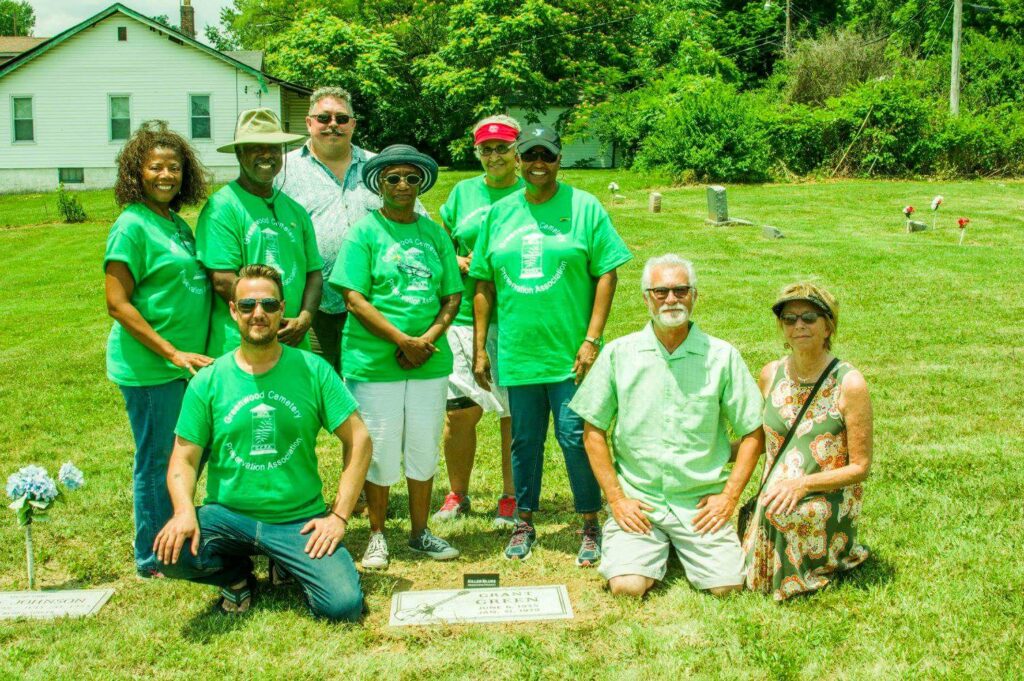
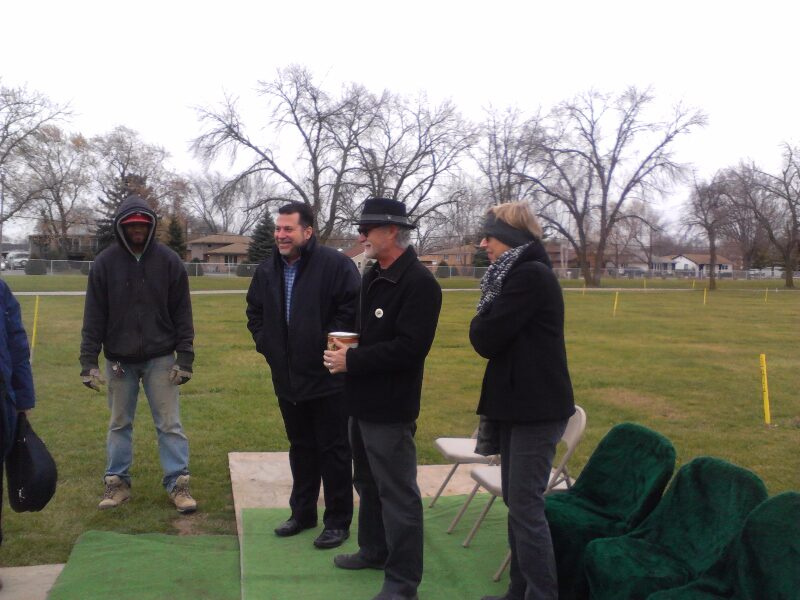
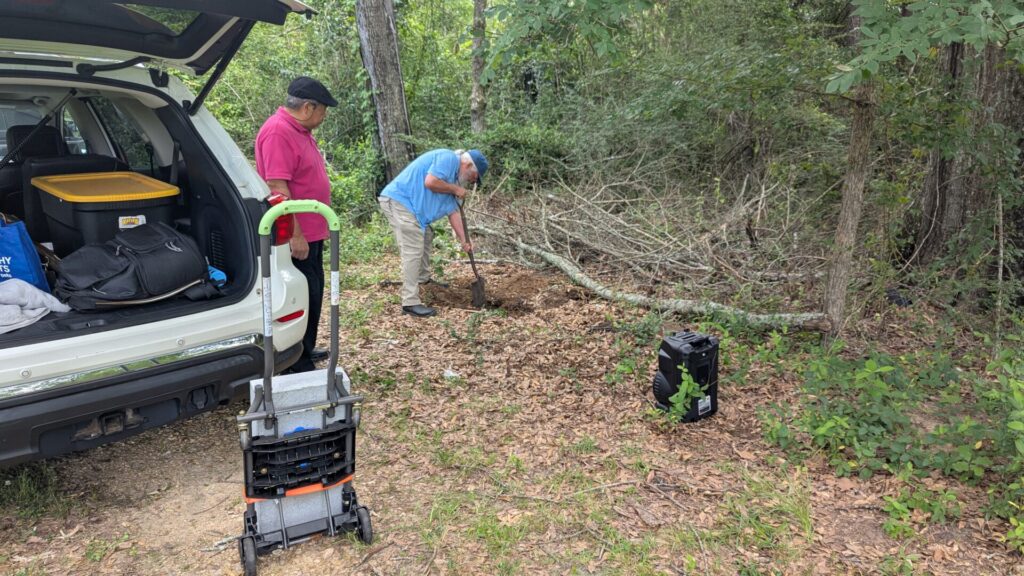
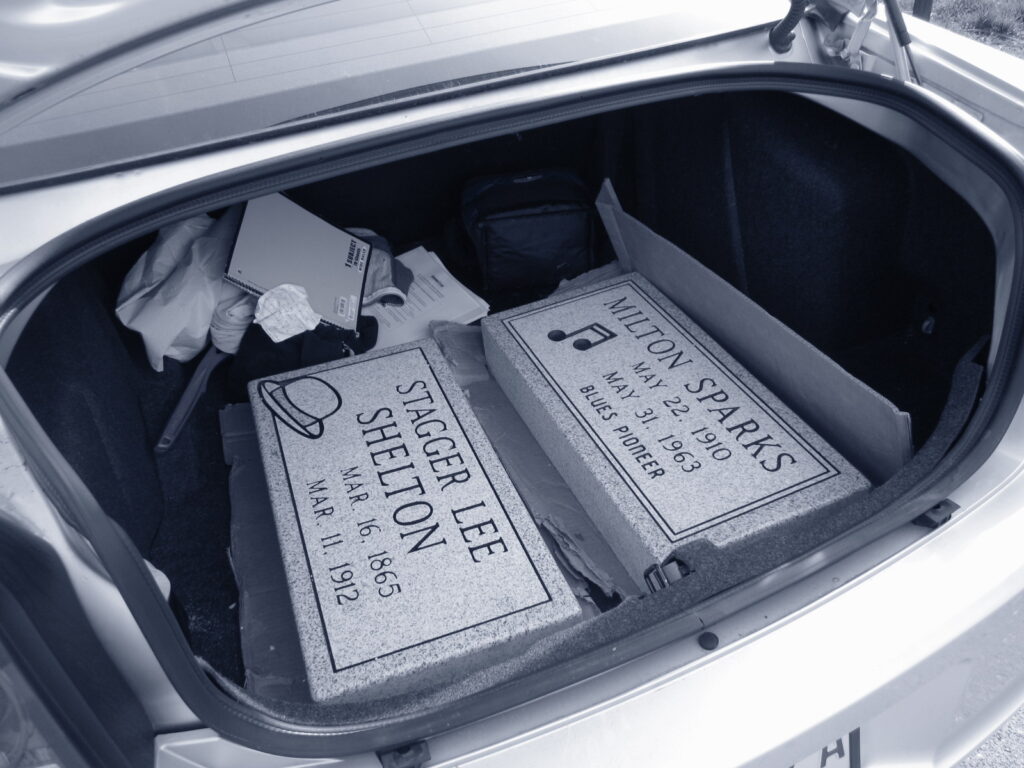
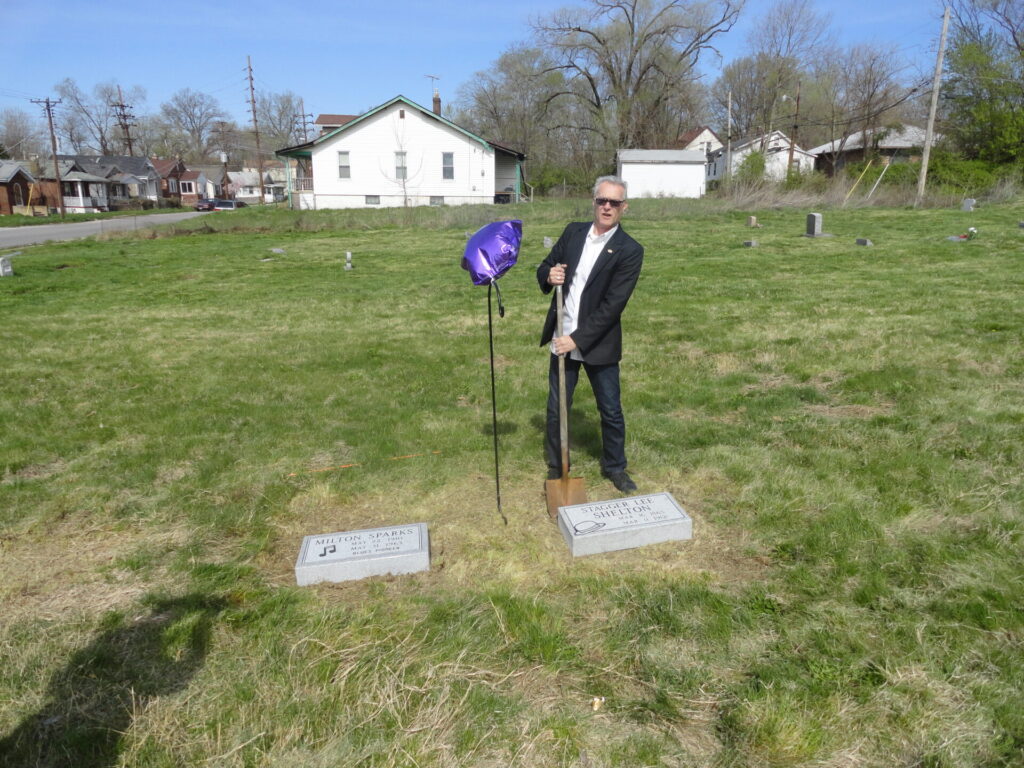
In 2009, the Killer Blues Headstone Project officially became a non-profit 501(c)(3). Since then, the organization has funded and placed more than 170 headstones in 16 states, with contributions toward nine additional markers【source: killerblues.net】.
Personal Moments and Lasting Impact
Among the many headstones placed over the years, one stands out for Steve: Delia Green. Delia wasn’t a blues artist, nor even a musician—she was a muse. Murdered at just 14 on Christmas Eve in 1900, her tragic story inspired countless songs across genres by artists like Johnny Cash and Bob Dylan, often painting her in a cruel light. In 2020, after learning of her story from a British blues enthusiast, Steve resolved to give Delia the dignity she never received in life. “I dedicated myself to rectifying the injustice done to her reputation by ensuring she received a proper memorial,” he says.
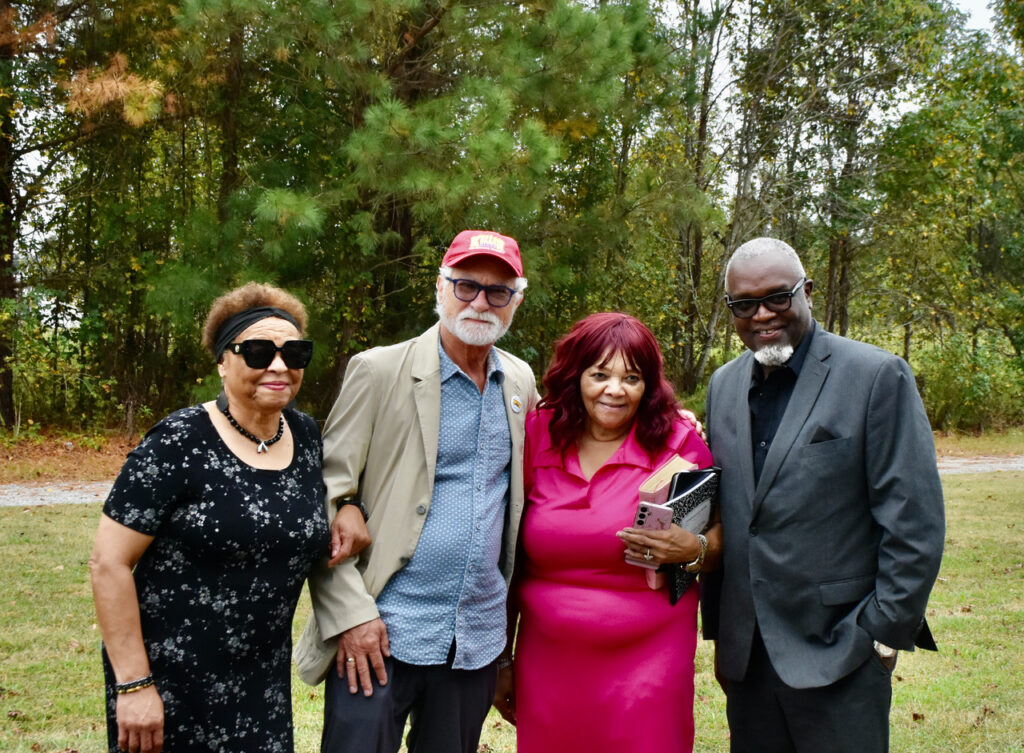
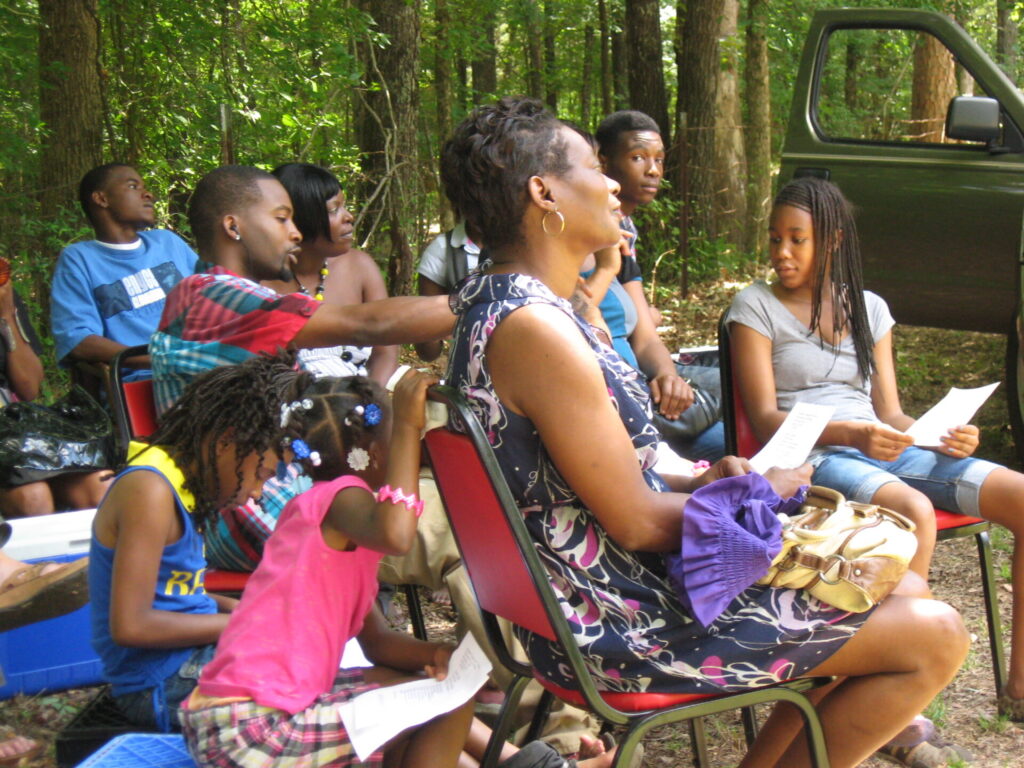
Though locating families of the artists is rare, when it happens, the responses are powerful. “The families express immense gratitude for the marker,” Steve shares, “but even more so for the recognition of their loved one’s contributions to something of significant value.”
Challenges and Community
The mission hasn’t been without obstacles. “The toughest part of raising funds has become the ability to afford venues for hosting concert fundraisers,” Steve admits. “Additionally, letting others know about the project presents its own set of challenges.”
But West Michigan’s blues community has shown unwavering support. “The generosity of blues enthusiasts in West Michigan, who have unfailingly contributed to and attended the many fundraisers I have orchestrated over the past fifteen years, has made this possible,” he says.
Upcoming Benefit Concert – November 8, 2025
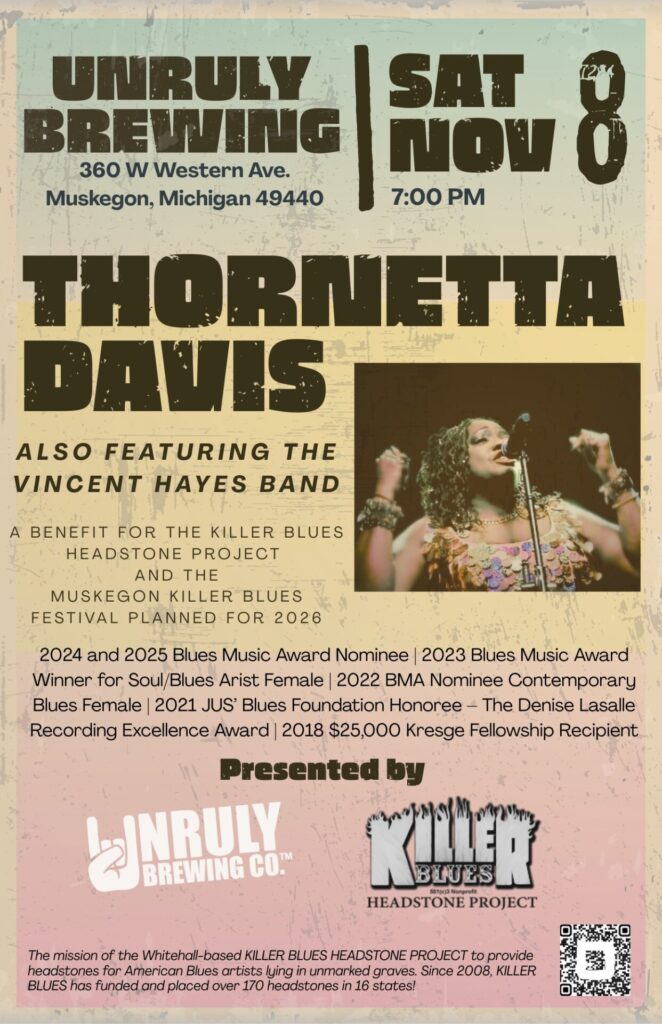
Supporters of the Killer Blues Headstone Project will have a special opportunity to contribute this fall. A Benefit Concert is scheduled for November 8, 2025, at Unruly Brewing in Muskegon. The event will feature powerhouse blues vocalist Thornetta Davis, along with a performance by The Vincent Hayes Band.
The concert will benefit both the Killer Blues Headstone Project and the Muskegon Killer Blues Festival, helping sustain the mission of honoring blues legends while celebrating the music they gave the world.
Looking Ahead
Steve dreams of drawing the attention of influential figures in the music industry—artists, producers, and record labels—who might see the value of giving back. Yet, when it comes to his own legacy, he’s humble. “I’m not preoccupied with the notion of being remembered,” he says. “Rather, my primary concern lies with the multitude of blues artists who continue to rest in unmarked graves.”
How You Can Help
The Killer Blues Headstone Project relies on donations, volunteers, and blues fans everywhere to keep its mission alive. There are many ways to get involved:
- Make a charitable donation through PayPal
- Visit the Killer Blues online store
- Help locate unmarked graves of blues artists
- Attend fundraisers and events listed on Facebook or the News section of the Killer Blues website
- Spread the word to keep the music and the memories alive
A Legacy Rooted in Respect
From a teenager with a transistor radio to a mayor leading a national preservation movement, Steve Salter’s journey is a testament to the power of music, memory, and community. Through the Killer Blues Headstone Project, he’s ensuring that the voices that shaped American music are never forgotten—even in death.
“I feel driven to place as many headstones as I can in my lifetime.” — Steve Salter
Information and historical background for this article were drawn in part from killerblues.net
Stay connected to what’s happening in our area by visiting CatchMark Community.