Names are powerful. They anchor memory, identity, and history.
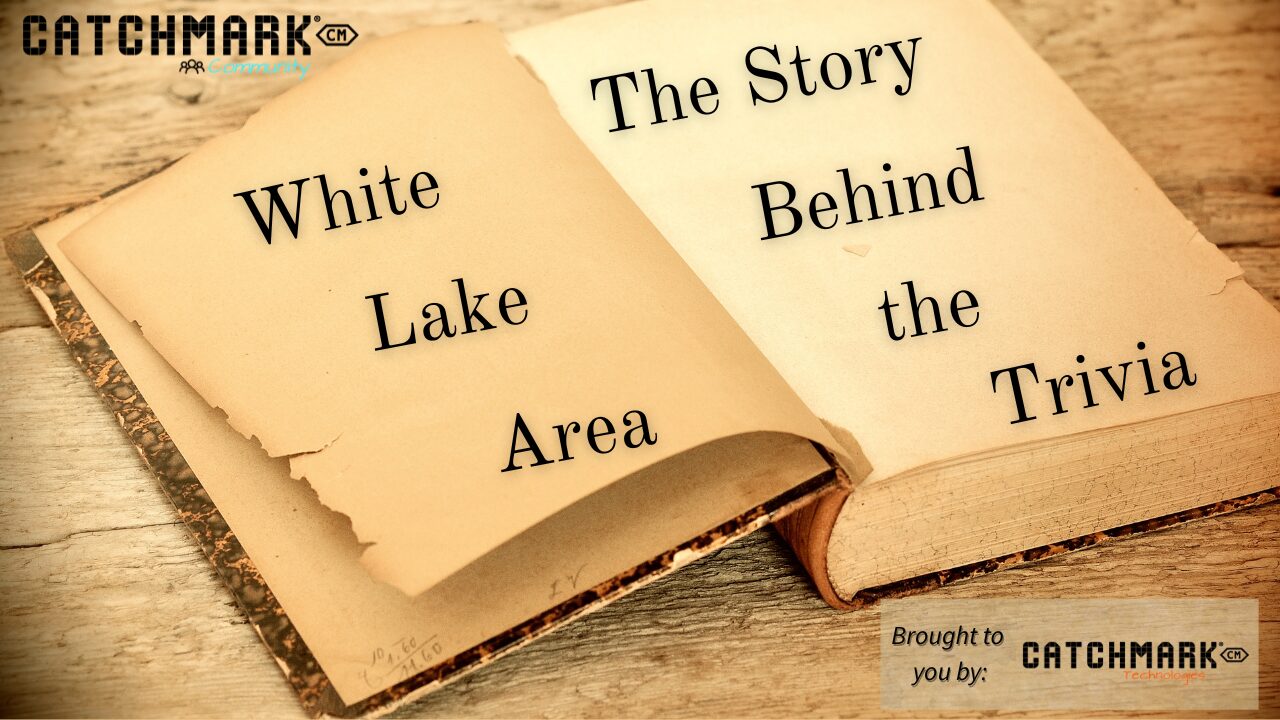
This week’s Trivia Tuesday asked what Whitehall was originally called. The answer is Mears. But the story behind that name reveals much more about how this community came together and chose its identity.
A Town Platted by Its Founders
In the mid-1800s, Charles Mears, a prominent lumberman, and Giles Slocum, a local landowner, platted the area around White Lake. They named it Mears, honoring the family and friends who helped shape the town’s early development. Streets running north and south reflected the Mears family, while east-to-west streets were named by the Slocum family. Names like Colby, Livingston, Baldwin, and Elizabeth reflected local foremen, family members, and influential residents.
The town of Mears grew quickly. By 1867, it had about 1,000 residents. But names, especially those tied to individuals, carry weight—and sometimes controversy.
A Name Change Reflecting Community Consensus
By the late 1860s, residents began to discuss changing the town’s name. “Mears” was strongly associated with one family, and people wanted something that reflected a broader sense of community. White Lake was suggested, but the name was already used elsewhere.
Through discussion and consensus, the town selected Whitehall. The new name honored Moses Hall and Charles Whitaker, local mill owners who had contributed to the town’s early industry. Cork Point, now part of Goodrich Park, was also associated with these early operations. The change reflected the town’s evolution from a settlement defined by one family to a community shaped by many people and its connection to the lake and local industry.
Streets as Living History
Even after the name change, the streets remained markers of memory. Colby Street commemorates John D. Colby, a foreman at Mears’ mill. Livingston Street reflects the maiden name of Charles Mears’ mother. Baldwin and Elizabeth honor extended family and friends who played key roles in the town’s early growth. These streets continue to remind residents and visitors of the people who built Whitehall from the ground up.
Why This Still Matters
Understanding the origin of Whitehall’s name is more than trivia. It illustrates how communities make decisions about identity and legacy. It shows that even something as simple as a street name carries stories of labor, leadership, and family influence.
Every time someone walks along Colby Street or tells a visitor the town’s history, they are connecting with generations of people who shaped the community intentionally. Names are not just labels—they are a way of preserving memory and reinforcing belonging.
The Takeaway
The trivia question gives a straightforward answer: Whitehall was once Mears.
The story behind it reminds us that community identity is built through decisions, consensus, and recognition of those who came before. Names, streets, and landmarks carry history with them, and understanding those origins connects us to the people and events that shaped our towns.
Follow along on social media for daily updates, community highlights, and moments that happen between the headlines.
Facebook • Instagram • YouTube • TikTok • LinkedIn • X
Stay connected to what’s happening in our area by visiting CatchMark Community.
Powered by CatchMark Technologies — helping people, solving problems. Explore more on our website.