The Fall of Timber and the Rise of Farming
In the early days of Whitehall and Montague, dense forests fueled the region’s booming lumber industry. As the lumber era faded, fields of stumps and sandy soil replaced the towering white pines. Rather than letting the land sit unused, settlers and new arrivals found ways to transform the soil into something useful again. Farming became the next great economic shift, rising from the ashes of a stripped landscape.
Dutch Influence and the Birth of Muck Farming
Dutch immigrants played a major role in reshaping agriculture in the White Lake region. They brought knowledge of “muck farming,” which involved draining marshlands and cultivating crops in rich, dark, organic soil. Celery became the star of this new farming system. The climate and soil near Whitehall and Montague proved ideal for its growth, and celery from the area quickly gained popularity in markets as far as Chicago and Milwaukee. Farming co-ops and rail lines helped move the crops to buyers, turning former wetlands into thriving farmland.
A Region Built on Roots and Orchards
As farming expanded, the area became known not only for celery but also for its wide range of fruits and vegetables. Apples became especially important. The region’s climate and soil, along with breezes from Lake Michigan, helped protect delicate blossoms in the spring and extended the growing season into the fall. Over time, blueberries, cherries, peaches, and pears were also planted, forming a local fruit belt that supported family farms and seasonal workers for decades.
Science, Education, and Agricultural Growth
The success of farming in Montague and Whitehall was not just luck. Agricultural research and education helped support local growers. Programs from Michigan State and county agricultural extension offices offered advice on soil treatment, pest control, and better planting techniques. Farmers learned how to rotate crops, fertilize muck soil, and preserve water in an area where drainage played a key role. These practices helped transform White Lake into one of West Michigan’s most productive agricultural zones.
From Harvest to Community Tradition
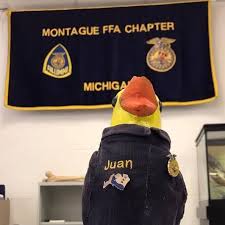
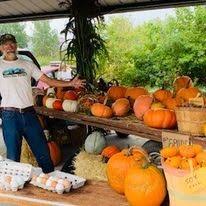
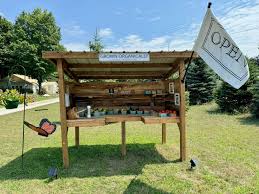
Today, the history of farming in Montague and Whitehall still shapes community life. Farmers markets offer fresh produce grown in the same soil once home to logging camps. Local schools continue to support programs like FFA, connecting students with the land and the legacy of agriculture. Trails that were once train tracks used for shipping celery and apples now serve as peaceful bike paths for visitors who pass through old farm fields and orchards. Though times have changed, the land still tells the story—of hard work, adaptation, and the lasting connection between nature and the people who farm it.