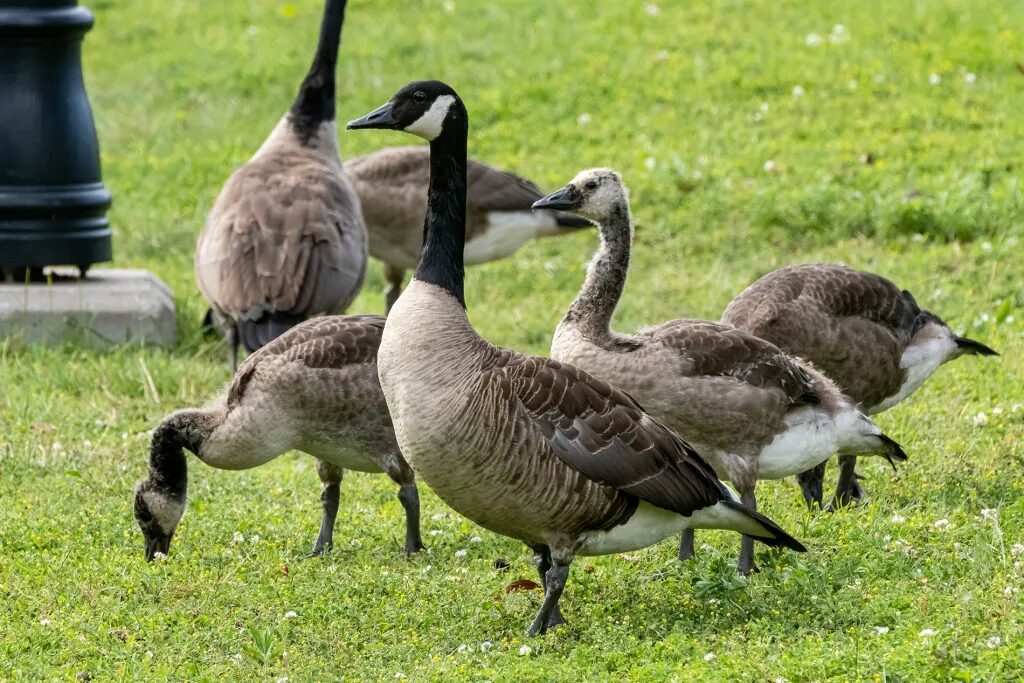
As autumn unfolds across the White Lake region near Whitehall and Montague, a rich tapestry of avian travelers graces our skies and shores, marking their journey between breeding and wintering grounds. Here’s a community-ready article that captures the magic of bird migration in our area.
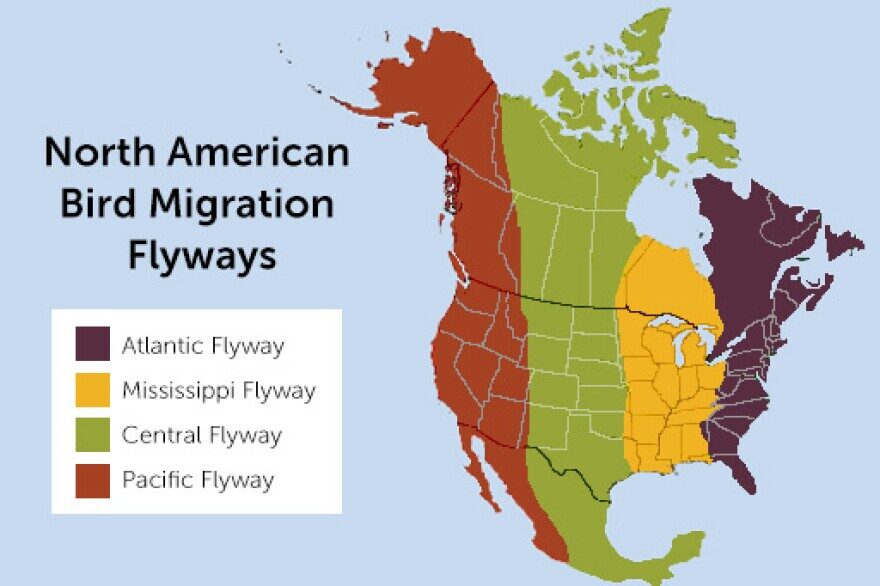
Why Michigan, and White Lake, Matters
- A central migration hub
Michigan’s unique geography places it at the intersection of the Atlantic and Mississippi Flyways, two of North America’s primary bird migration “superhighways.” This means thousands—indeed, hundreds of millions—of birds traverse our state each fall. - White Lake’s role
As birds journey south, the expansive waters of White Lake and the wetlands around Whitehall and Montague serve as critical rest and refuel stops before they continue their long trek.
Migration Seasons & Timing
- August to November is the active window
- August: Shorebirds and early songbirds begin the migration.
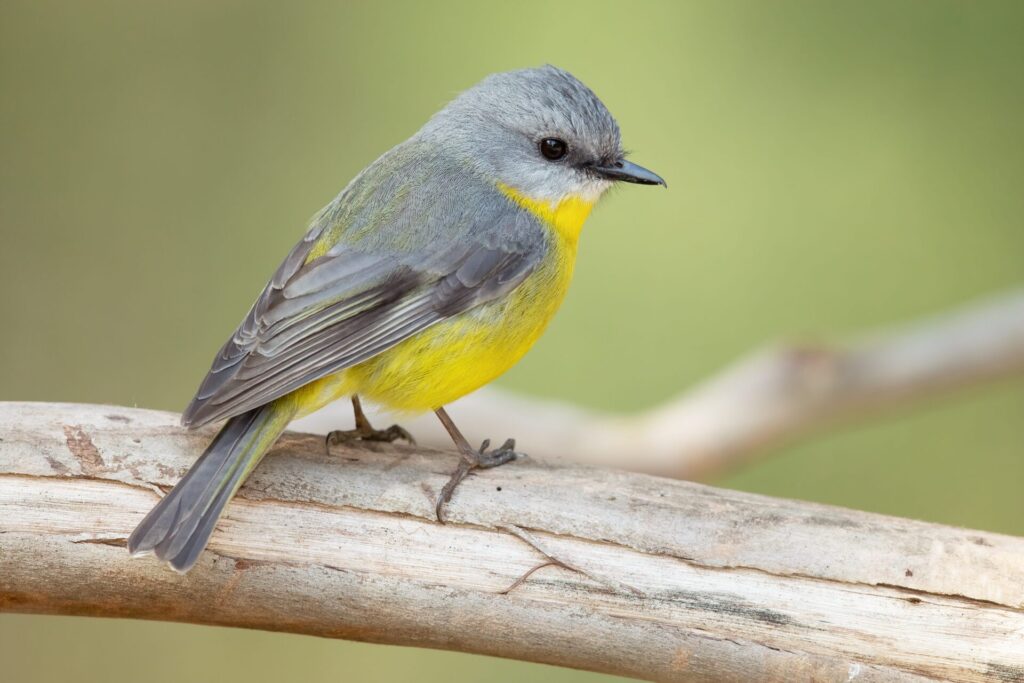
- September: Songbird passage peaks—look for warblers, vireos, and thrushes.
- October: Raptors and late-season warblers dominate the skies.
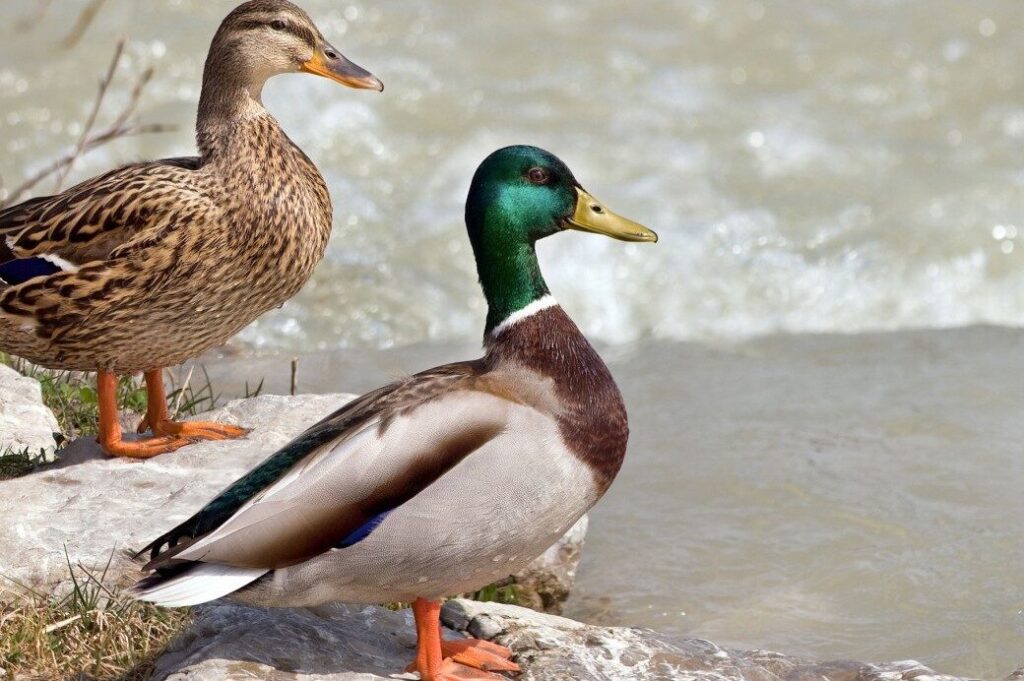
- November: Waterfowl like ducks and geese arrive in force.
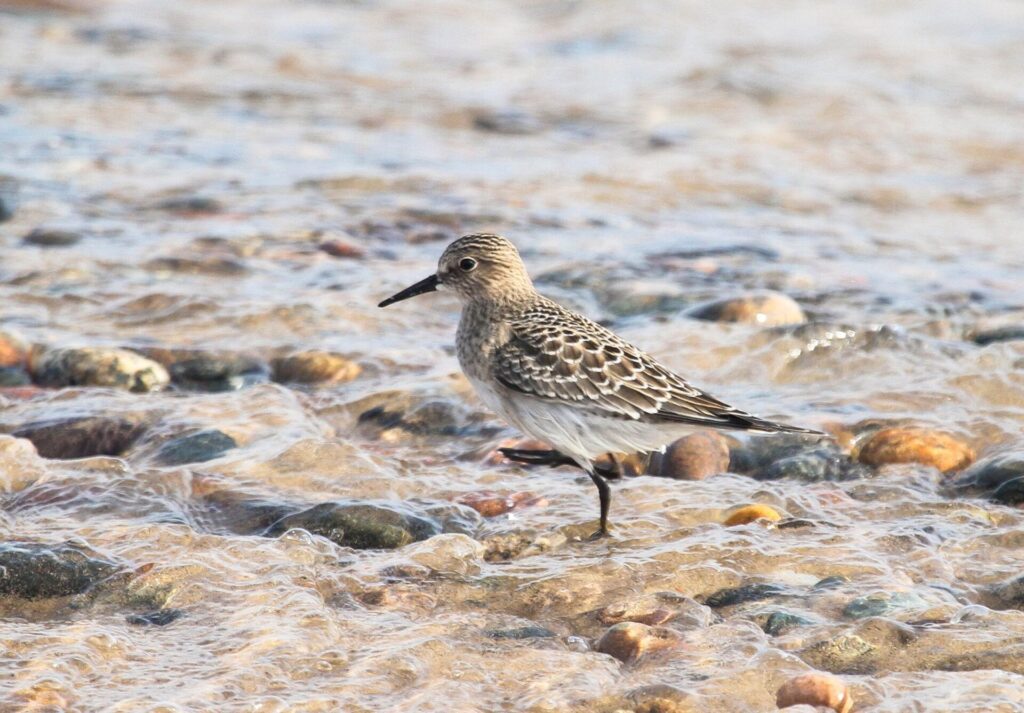
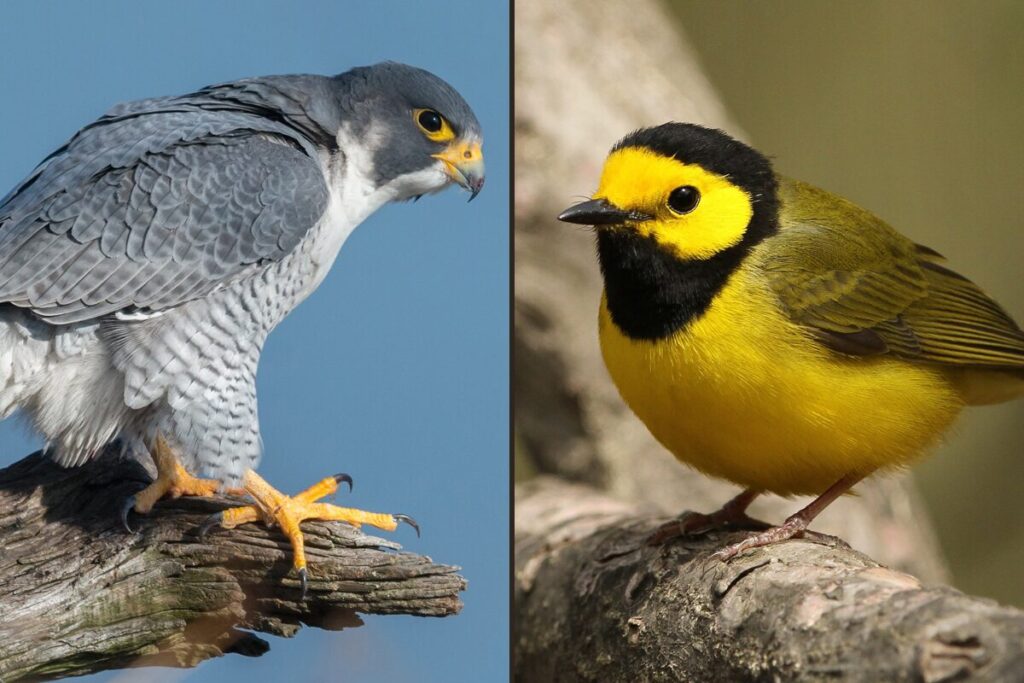
These stages unfold like chapters in a story—each adding unique flavor to your birdwatching experience.
What You Can See Near White Lake
- Waterfowl such as ducks, geese (e.g., Canada geese), and goldeneyes gather on the lake—especially in November as they prepare for winter.
- Shorebirds and waterbirds frequent shallow marsh edges during early and mid-fall for foraging.
- Terrestrial songbirds: In September, listen for or spot colorful warblers, vireos, and thrushes drifting through woodland margins.
- Raptors such as hawks and falcons become more visible in October, riding thermals as they journey south.
The overall diversity is astonishing: over 380 species could pass through Michigan during fall migration.
Bird-Smart Actions for Our Community
- Dim nighttime lights: Migrating birds can become disoriented by bright lights, which may lead to dangerous collisions with windows. Using light-reducing strategies helps protect them.
- Window safety: Apply decals, screens, or other window treatments to prevent birds from striking reflective glass.
- Enjoy mindfully: If you spot Sandhill Cranes or other large species, observe from a distance, especially in case some individuals choose to overwinter in Michigan when conditions allow.
- Community programs: Consider participating in or hosting local migration walks, talks, or bird-count events—especially during peak migration months like September.
Hummingbird Migration into West Michigan: Spring 2025 Update
Animal Start: Wildlife Migration Patterns Through Michigan: Routes, Species, and Habitats