Every community has them. The steadfast community volunteers.
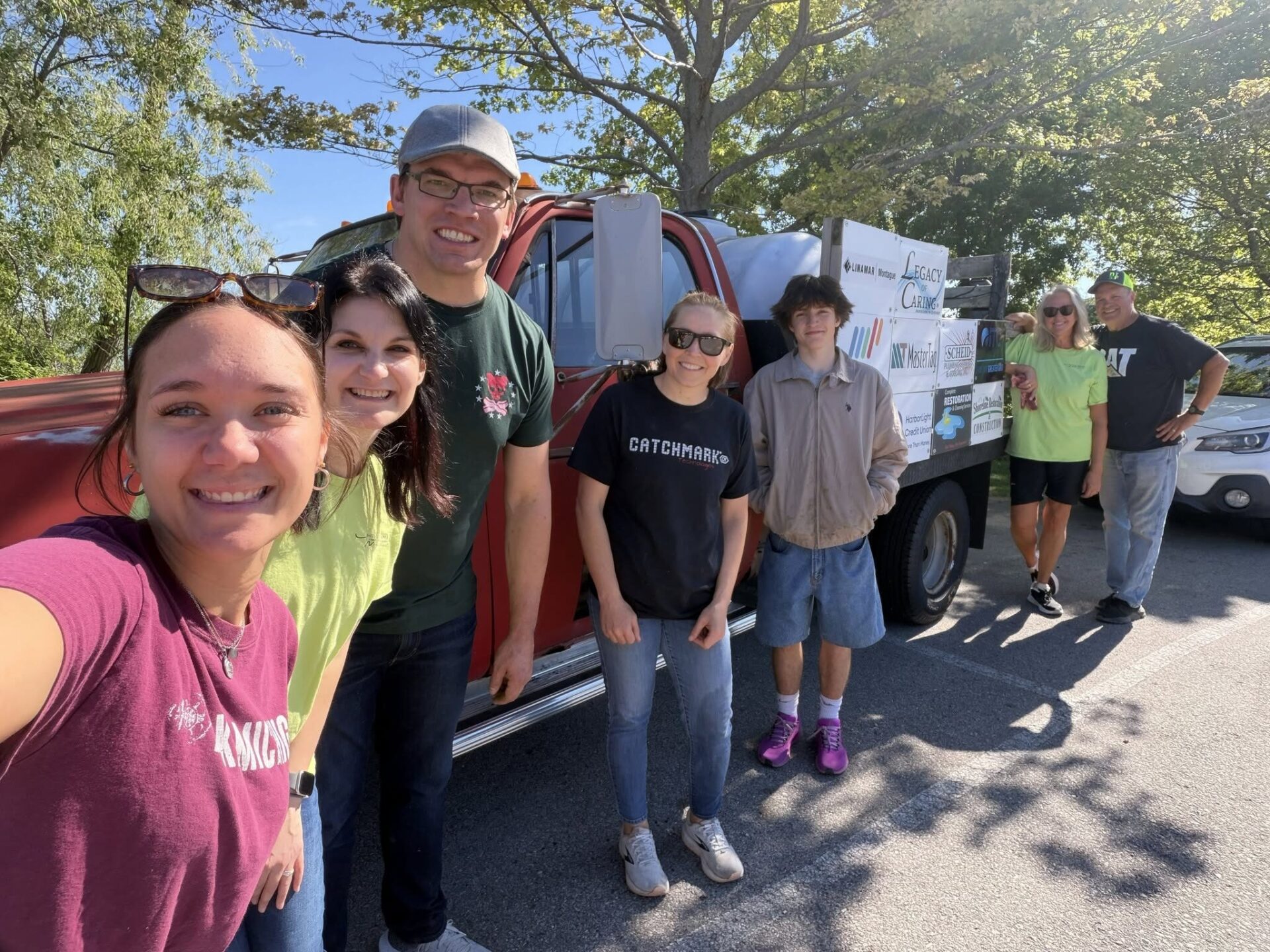
They are the people who organize the event, serve on the board, coach the team, lead the fundraiser, show up early, stay late, clean up afterward, and then somehow agree to help with the next thing too.
They are dependable. They care deeply. They know how to get things done.
And because of that, we keep asking them to do more.
At first, this can look like a strength. A small group of committed people can accomplish an incredible amount. They build traditions, support local organizations, solve problems, and create many of the events and programs that make a community feel connected.
But there is a downside to relying on the same people over and over again.
Eventually, they get tired.
They may not complain. In fact, the most dependable people are often the least likely to say anything. They simply keep showing up because they know that if they do not do it, there is a good chance it will not get done.
That sense of responsibility is admirable, but it is not sustainable.
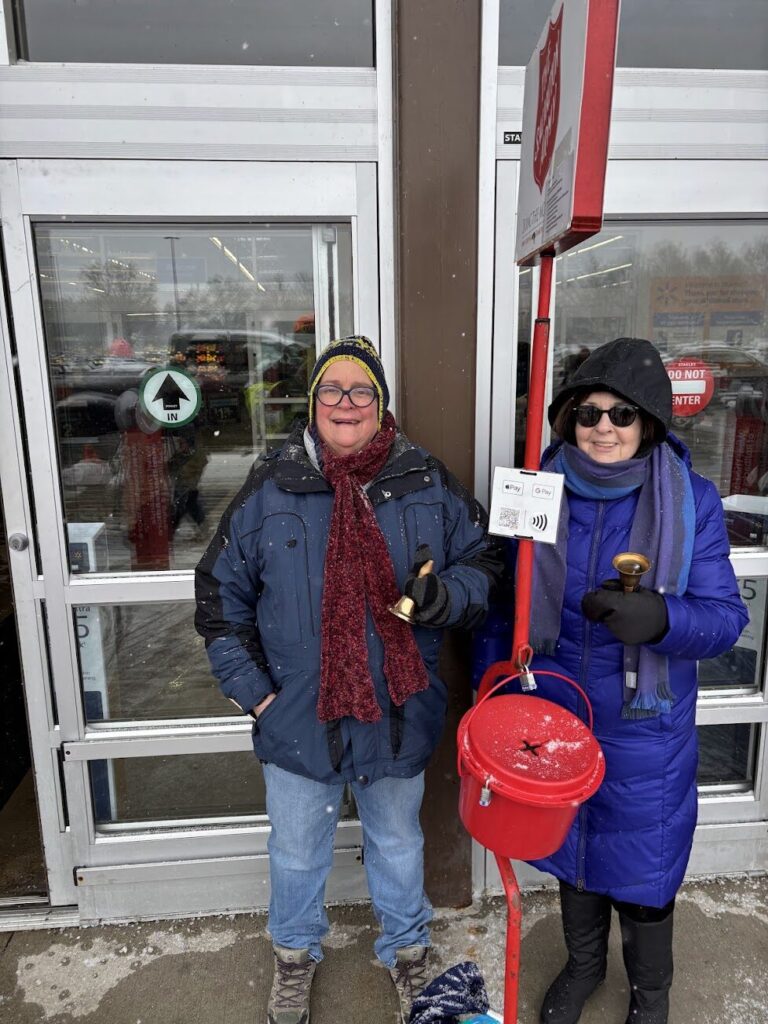
We often talk about the importance of community involvement, but too frequently what we really mean is that we hope the people who are already involved will continue carrying the load.
When an organization needs board members, we call the same names.
When an event needs volunteers, we contact the same families.
When a fundraiser needs leadership, we turn to the same business owners and community advocates.
When something needs to be fixed, organized, promoted, sponsored, or cleaned up, we know exactly who we expect to handle it.
The problem is not that these people are unwilling to help. The problem is that the rest of us can become too comfortable letting them.
It is easy to enjoy the parade without thinking about who spent months planning it.
It is easy to attend a festival without considering who arrived before sunrise to set everything up.
It is easy to watch our children play sports without noticing the hours coaches and volunteers give away from their own families.
It is easy to praise a successful community organization without asking how many people are actually doing the work behind the scenes.
We see the finished product. We do not always see the weight required to create it.
Over time, that weight becomes burnout.
Good people step away, not because they stopped caring, but because they have carried too much for too long. Events disappear. Boards struggle to fill seats. Organizations lose momentum. Longtime volunteers begin to feel frustrated or unappreciated.
Then we wonder why things are not what they used to be.
The answer is often simple: too few people were expected to keep too many things alive.
A healthy community needs more than a small group of highly committed people. It needs broad participation.
That does not mean everyone has to lead an organization or give away every evening of the week. Community involvement does not always require a major commitment.
Sometimes it means taking one volunteer shift.
Sometimes it means attending a meeting before criticizing a decision.
Sometimes it means helping with setup, bringing supplies, making phone calls, serving food, cleaning up, coaching for a season, or agreeing to sit on a committee.
Sometimes it simply means asking, “What can I do?”
Small contributions matter because they spread the responsibility. Ten people giving two hours each is far healthier than one person giving twenty.
We also need to become better at welcoming new people into community work.
Established groups can unintentionally make participation difficult. Meetings may feel closed. Longtime volunteers may have their own way of doing things. New ideas can sometimes be treated as criticism rather than enthusiasm.
We cannot say we need more help while making people feel like outsiders when they offer it.
If someone is willing to contribute, we should give them meaningful work, explain what is needed, listen to their ideas, and allow them to take ownership. New volunteers will not always do things exactly the way they have been done before, and that may be a good thing.
Community traditions only survive when new people are given the opportunity to carry them forward.
We should also be honest about our expectations.
Volunteers are not employees. They have jobs, children, families, responsibilities, and lives outside the organizations they support. We should appreciate their time, communicate clearly, avoid unnecessary meetings, and make it easy for people to help in manageable ways.
Not every volunteer needs a title. Not every commitment needs to last for years. People are more likely to participate when they can see exactly what is being asked of them and know that their time will be respected.
Most importantly, we have to stop assuming someone else will handle it.
Someone else will coach.
Someone else will serve.
Someone else will donate.
Someone else will organize.
Someone else will attend the meeting.
Someone else will clean up.
Eventually, “someone else” becomes the same five or ten people carrying nearly everything.
That is not community. That is dependence.
A strong community is not measured only by the quality of its events, organizations, schools, parks, or programs. It is measured by how many people are willing to take some responsibility for maintaining them.
The people who have carried our community for years deserve our gratitude.
But gratitude alone is not enough.
The best way to thank them is to step forward, take something off their plate, and help carry the weight.
Follow along on social media for daily updates, community highlights, and moments that happen between the headlines.
Facebook • Instagram • YouTube • TikTok • LinkedIn • X
Stay connected to what’s happening in our area by visiting CatchMark Community.
Powered by CatchMark Technologies — helping people, solving problems. Explore more on our website.