Hey Wild Fact Fans, Seth here with the new Friday Feature creature. Don’t forget to please like, share and comment questions down below If you have any on this weeks animal ^^
This weeks feature creature is a true example of appearances can be deceiving. What looks like a plump slow Lizard strolling along the Australian outback ; gobbling up bugs  as it goes or lounging In a burrow to keep cool
  ; an easy for many predators; can turn into a dazzling blue scary surprise for those who try to eat it. But even with its dazzling blue display; this creature’s deception goes further with it not being toxic at all! With many other ways to survive the harsh Australian Desert
  ; this simple looking lizard
  is more interesting than you’d think
This weeks feature creature is the Blue  Tongued
  Skink
Skink
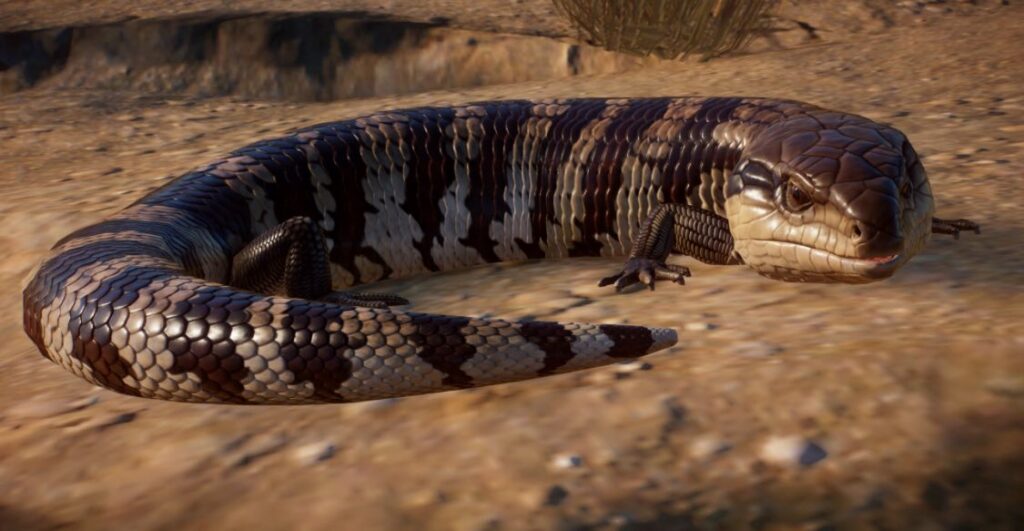
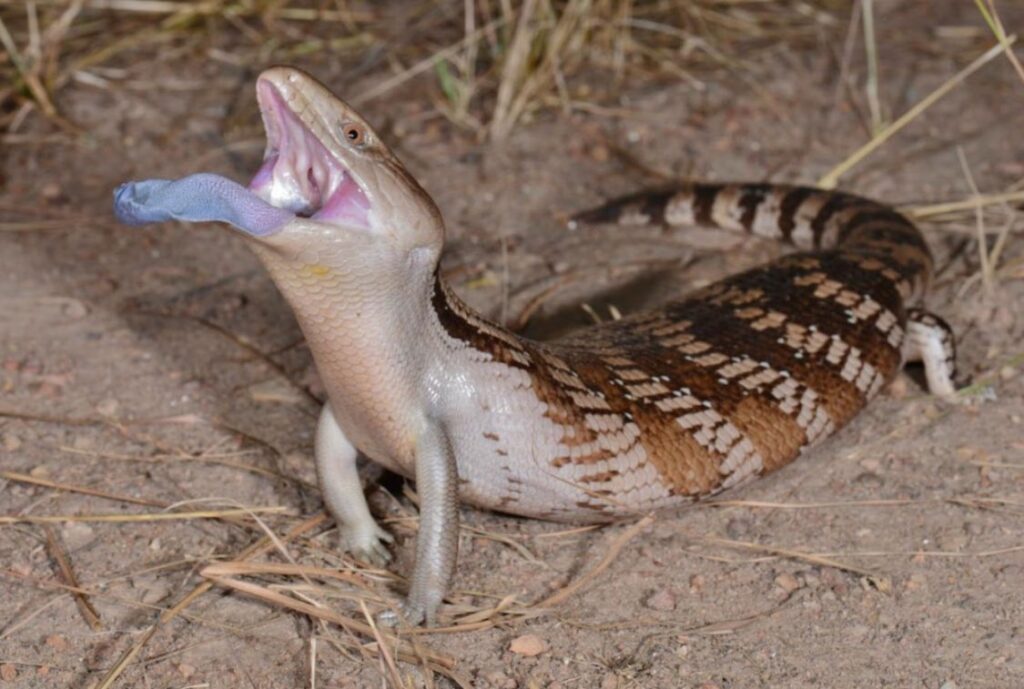
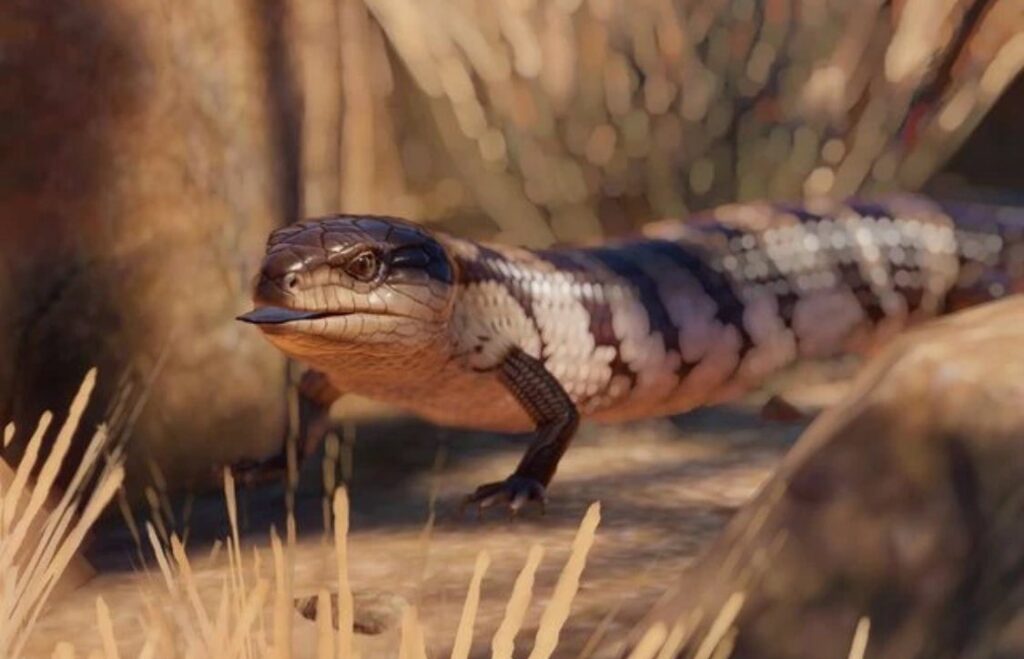
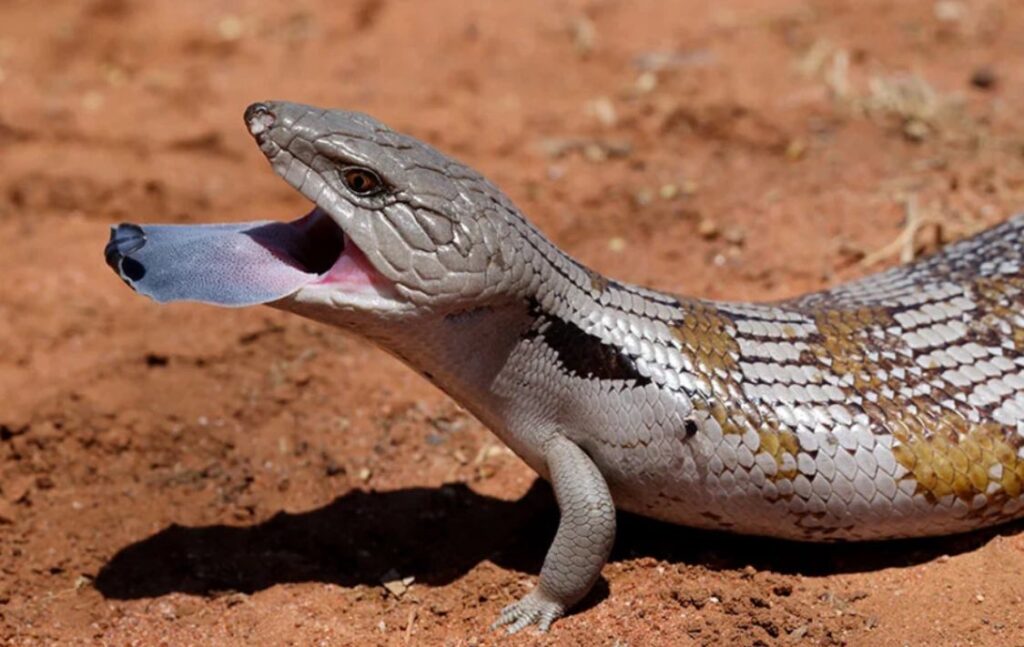
1. measuring in at 2ft long and weighing just about a pound; the Blue Tongued Skink is one of the largest species of Skink in the world  . They’re mainly found on the scrub, semi-deserts and woodlands of Australia
2. With strong lil claws, strong limbs and overlapping scales to help keep dirt out of their face ; makes them great  diggers; which they mainly make burrows to escape the heat of the day after sunning themselves along with sleeping
  during the night. Sometimes they’ll share their dens with other blue tongued skinks
3. Mainly omnivorous; they mainly like to eat insects  like crickets
  , worms
  , snails
  , wildflowers
  , fruit
  ,and leafy greens
  . They can store fat in their tails to survive harsh times
4. This lizard is famous for its namesake blue tongue ; which it uses to startle predators into thinking it’s poisonous  ; which helps give it time to escape. They also puff up to make themselves bigger and hiss to add more scare to their display
5. They also use their tongues to pick up scents of food as well 
6. While mainly peaceful and docile; If a predator goes in for the attack; blue tongued skinks have a strong and painful bite and often will not let go when they bite. Fortunately; they dont chew when they bite. If bitten; remain calm, patient, stay still and dont try pulling it off.
7. Like many skinks ; blue tongued skinks can detach their tails to distract predators as well Their tails can grow back after detachment in a few weeks
8. Covered in smooth grayish brown scales with black stripes; blue tongued skinks can blend in with the environment as well to keep away from predators like dingoes , foxes  , cats
  , monitor lizards , snakes
  , birds of prey
  and kookaburras
9. Eastern blue tongued lizards are solitary animals and only interact to mate or fight over mates. Around 3-5 months after mating, females will give birth to around 10 to 15 young; being among one of the few reptiles (let alone lizards ) that give birth to live young!
10. independent the moment they enter the world  ; they reach full size in 3 years
11. With their small limbs and flickering tongues ; theyre often mistaken for snakes; but can be easily identified by having external ears  and eyelids . This miss identification is a good case of mimicry against predators as well
Next weeks feature Creature hint 
 : this stealthy predator is the second largest cat in Africa and has the widest home-range as well