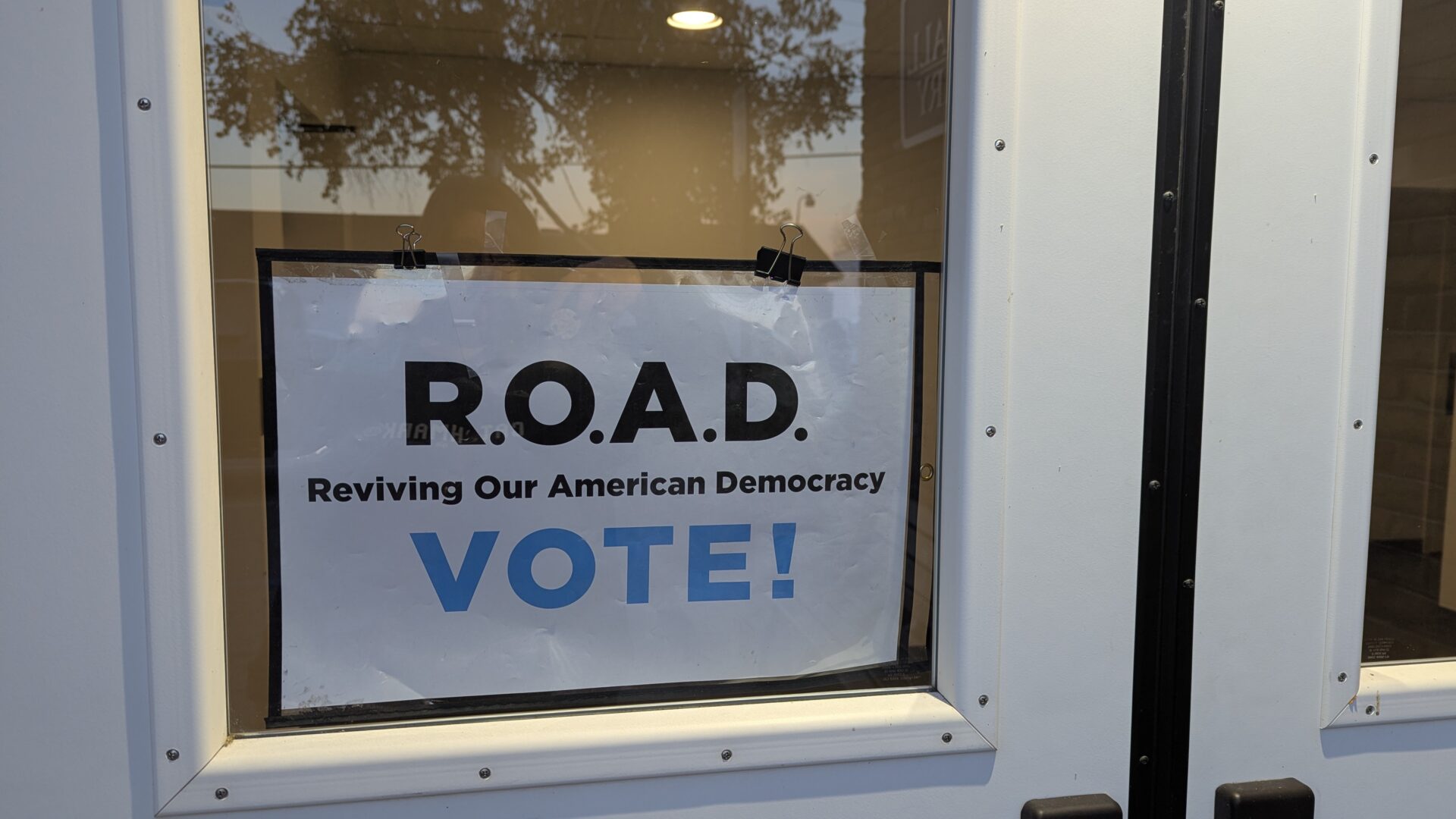
MONTAGUE — On Thursday, Oct. 16, community members gathered at Montague City Hall for an informative discussion on recycling in the White Lake area. The event, hosted by R.O.A.D. (Reviving Our American Democracy), featured local experts Jeff Auch, Montague City Manager, and Tim Tibbetts, manager of the White Lake Transfer Station. Auch opened the program with a big-picture overview; Tibbetts followed with on-the-ground practices and Q&A.
The Regional Picture
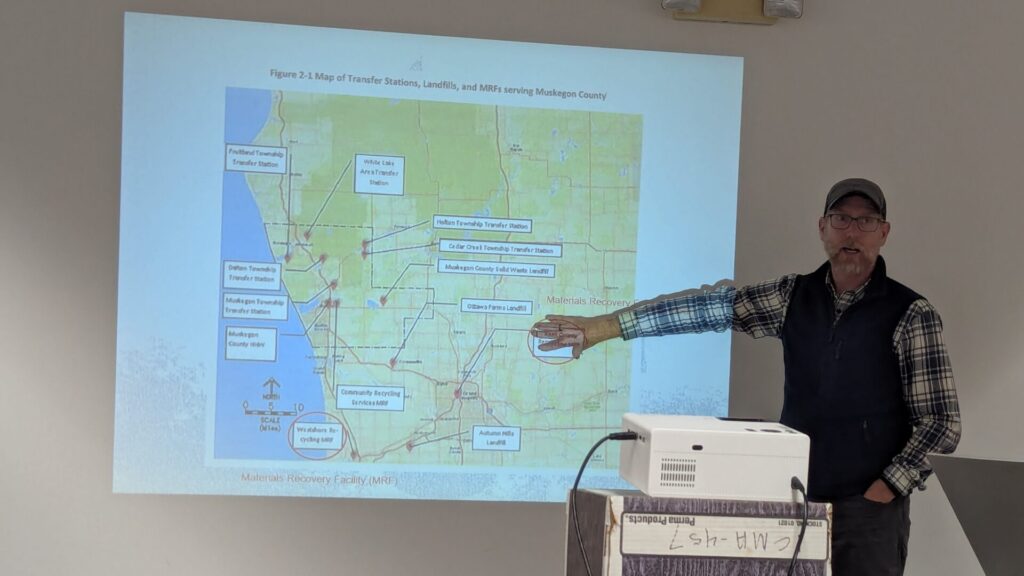
Auch began with takeaways from Muskegon County recycling studies (2017, updated 2021–2023): most households have access to recycling, but participation is moderate due to cost, convenience, and confusion. A key challenge is regional processing—with Kent County’s MRF serving as the primary destination, transportation adds cost and complexity, especially for smaller haulers. Auch also outlined Michigan’s Part 115 push for higher recycling rates and the early planning work with neighboring counties toward a regional strategy that could eventually bring processing closer to home.
How It Works Locally
Speaking second, Tibbetts focused on what the White Lake Transfer Station can accept and why clean, unbagged materials matter. Plastic bags jam equipment, dirty items contaminate loads, and cardboard is kept separate because it goes to a different end market. He noted a practical reality: recycling costs more than trash—for example, a 20-yard recycling container costs roughly twice as much as a 40-yard trash container—so resident cooperation and good sorting help keep the program self-sustaining.
Tibbetts also walked through common questions:
- Rinse items (especially cartons and plastics) to avoid contamination.
- No Styrofoam or black plastics at the transfer station.
- Flatten cardboard and don’t bag recyclables.
- Metals can include small labels; aim for items to be ~95% metal.
New Initiatives & Culture Change
Both speakers highlighted local pilots—battery and electronics recycling with partners like Padnos and Goodwill—as well as niche streams (athletic shoes, bulbs, printer cartridges). Education and proximity matter: when recycling is within a 10-minute trip and neighbors participate, engagement rises. Questions about curbside service underscored the tradeoff between convenience and cost for smaller communities.
Big Takeaway
Residents were reminded that reduce, reuse, recycle is a hierarchy: cutting consumption and reusing items beats recycling, especially since plastics degrade with each cycle. Attendees left with updated guides and a clear sense of how everyday habits support a stronger regional system.
For more information on the White Lake Transfer Station, check out Where to Drop Your Trash: White Lake Transfer Station.
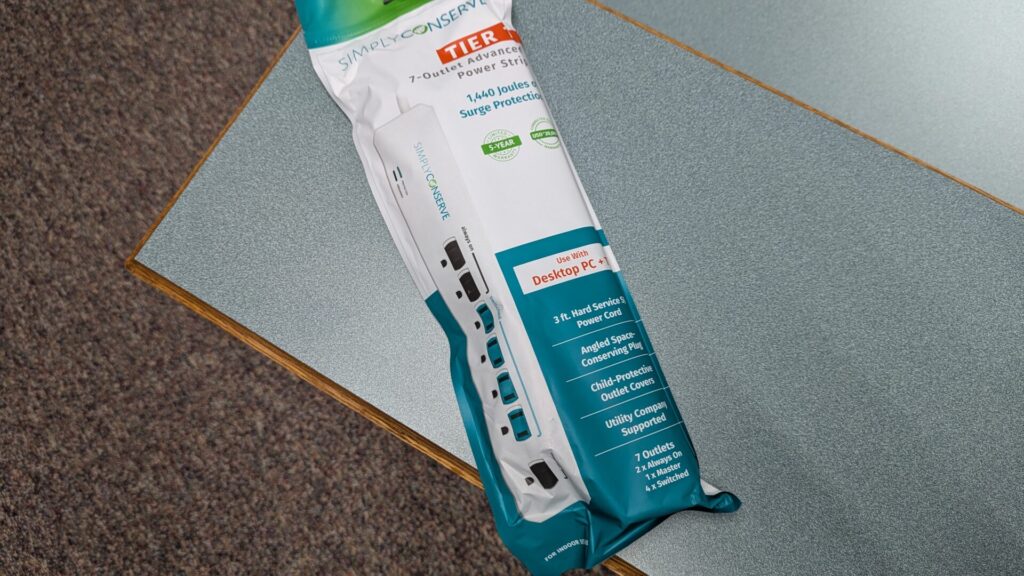
The City of Montague also has a supply of energy-saving power strips (like the one pictured above) available to residents. Community members are welcome to stop by City Hall during open hours to pick one up while supplies last.