Small towns like Montague and Whitehall have many advantages that larger cities cannot replicate. We have strong families, deep community roots, natural beauty, and a quality of life that many people spend years searching for. We know our neighbors. We support our schools. We rally around local events, athletics, and organizations. There is something authentic about small-town life that still matters deeply. But thriving is not automatic.
Across America and throughout parts of Europe, small communities with similar strengths are struggling. Many are facing declining populations, aging demographics, workforce shortages, shrinking school enrollment, and slower economic growth. In most cases, the problem is not a lack of good people. It is a lack of alignment, adaptability, and long-term intentionality.
Montague and Whitehall are not immune to those risks. The encouraging part is that most struggling communities tend to make the same predictable mistakes. If we recognize them early enough, we can avoid them.
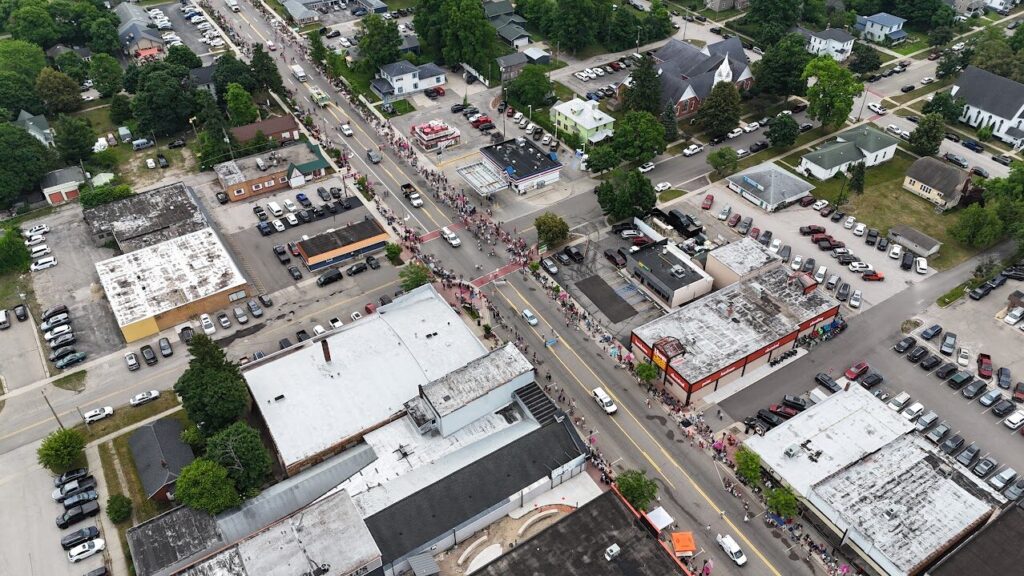
Here are five of the most common mistakes small towns make and why they matter here at home.
1. Small Towns Confuse Activity with Progress
Small towns are busy places. There are meetings, committees, fundraisers, festivals, strategic plans, volunteer groups, and community conversations happening constantly. On the surface, it can feel like momentum. But activity alone does not equal progress.
Sometimes communities become so focused on staying busy that they lose sight of measurable outcomes. Groups work hard, but not always together. Organizations pursue good initiatives independently without clear alignment or shared priorities. The result is often motion without direction.
In communities like Montague and Whitehall, we have passionate people and strong civic involvement. That is a major strength. But the next step is asking harder questions:
- What are the top three priorities for the future of our area?
- How are we measuring progress?
- Which organizations own which outcomes?
- Are we building toward the same long-term vision?
Thriving communities become disciplined about focus. They stop measuring success by how many meetings occurred or how many ideas were discussed. They measure success by whether conditions are actually improving for families, businesses, students, and future generations.
2. Small Towns Fail to Create Real Economic Opportunity
At the center of nearly every community challenge is one issue: opportunity.
Young people leave when they do not see career paths. Families struggle when wages stagnate. Businesses stall when they cannot hire or grow. Communities lose momentum when economic opportunity becomes too narrow. Many small towns fall into the trap of relying too heavily on:
- A few major employers
- Seasonal tourism
- Legacy industries
- Hope that growth will somehow happen naturally
That approach is becoming increasingly risky. Communities like Montague and Whitehall must think more proactively about the future economy. The good news is that we already have many ingredients for success:
- Strong work ethic
- High quality of life
- Access to outdoor recreation and tourism
- Growing broadband capabilities
- Proximity to larger regional markets
The opportunity now is diversification. That means:
- Supporting entrepreneurship and startups
- Creating environments where remote professionals can thrive
- Encouraging skilled trades and technical careers
- Helping existing local businesses scale and modernize
- Recruiting industries that fit the character and strengths of the region
Economic development today is no longer just about factories or large employers. It is about building an ecosystem where talented people can realistically build a life and career locally. If we do not create opportunity here, people will pursue it elsewhere.
3. Small Towns Ignoring or Misunderstanding Young People
One of the biggest mistakes communities make is assuming young people simply “do not want to stay anymore.” That explanation is easy. It is also incomplete. Many young adults love communities like Montague and Whitehall. What they often struggle with is seeing a clear future here.
Too often:
- Younger voices are absent from leadership conversations
- Career pathways are unclear
- Housing options are limited
- Leadership opportunities skew toward older generations
- Communities assume younger residents value the same things previous generations did
The reality is that younger generations often prioritize:
- Flexibility
- Purpose
- Entrepreneurship
- Connectivity
- Experiences and quality of life
- The ability to make an impact quickly
Communities that fail to adapt to those expectations risk losing future leaders, entrepreneurs, and families. The communities that succeed are the ones willing to actively involve younger generations in shaping the future. Not symbolically. Meaningfully.
That means:
- Inviting younger professionals onto boards and committees
- Building mentorship relationships
- Creating internship and apprenticeship opportunities
- Supporting startup culture and innovation
- Giving younger leaders visible opportunities to contribute
Young people are not disengaged. More often, they are unconvinced that their future exists locally.
4. Small Towns Resisting Change While Hoping for Growth
This may be the most common contradiction in small-town America. Communities say they want:
- Population growth
- New businesses
- More housing
- Economic investment
- Revitalized downtowns
But often resist:
- Development
- New ideas
- Infrastructure investments
- Housing expansion
- Changes to familiar patterns
The reality is simple. Growth requires change. That does not mean abandoning community identity or overdeveloping what makes places like Montague and Whitehall special. In fact, protecting community character should absolutely matter. But thoughtful growth and thoughtful preservation must work together. If communities become resistant to every change, they eventually become resistant to growth itself. The key is intentional development:
- Housing that fits the community character
- Smart infrastructure investments
- Downtown revitalization
- Public spaces that attract families and visitors
- Business growth that complements the area’s identity
The goal should not be to become something different. It should be to become a stronger version of who we already are.
5. Poor Alignment Between Leaders and Organizations
Small towns often have outstanding organizations doing meaningful work:
- Schools
- Chambers of Commerce
- Service clubs
- Nonprofits
- Local governments
- Economic development organizations
- Churches and volunteer groups
Individually, many perform well. But collectively, alignment can become fragmented. When organizations operate independently without shared priorities:
- Efforts get duplicated
- Resources get spread thin
- Communication gaps emerge
- Long-term momentum slows
Communities like Montague and Whitehall have an opportunity many larger cities lack: relationships. Leaders here know each other. Organizations already collaborate more naturally than in many larger markets. That creates enormous potential if alignment becomes intentional. The future belongs to communities where:
- Leaders communicate regularly
- Shared priorities are clearly defined
- Organizations complement rather than compete
- Long-term planning outlasts election cycles and leadership turnover
Alignment multiplies impact.
The Path Forward

None of these challenges are permanent. In fact, they are common precisely because they are easy patterns to fall into. The communities that thrive in the next twenty years will not necessarily be the biggest or wealthiest. They will be the ones that are intentional.
They will:
- Focus on measurable outcomes, not just activity
- Build real economic opportunity
- Invest in younger generations
- Embrace thoughtful change
- Align leadership around shared goals
Montague and Whitehall already have the foundation.
We have community.
We have natural beauty.
We have strong people.
We have organizations that care deeply.
The question is whether we are willing to align those strengths into a clear vision for the future. Small towns do not struggle because they lack potential. They struggle when that potential is not fully activated.
The future of communities like ours will not be decided by chance. It will be decided by whether we are intentional enough to build it together.
Follow along on social media for daily updates, community highlights, and moments that happen between the headlines.
Facebook • Instagram • YouTube • TikTok • LinkedIn • X
Stay connected to what’s happening in our area by visiting CatchMark Community.
Powered by CatchMark Technologies — helping people, solving problems. Explore more on our website.