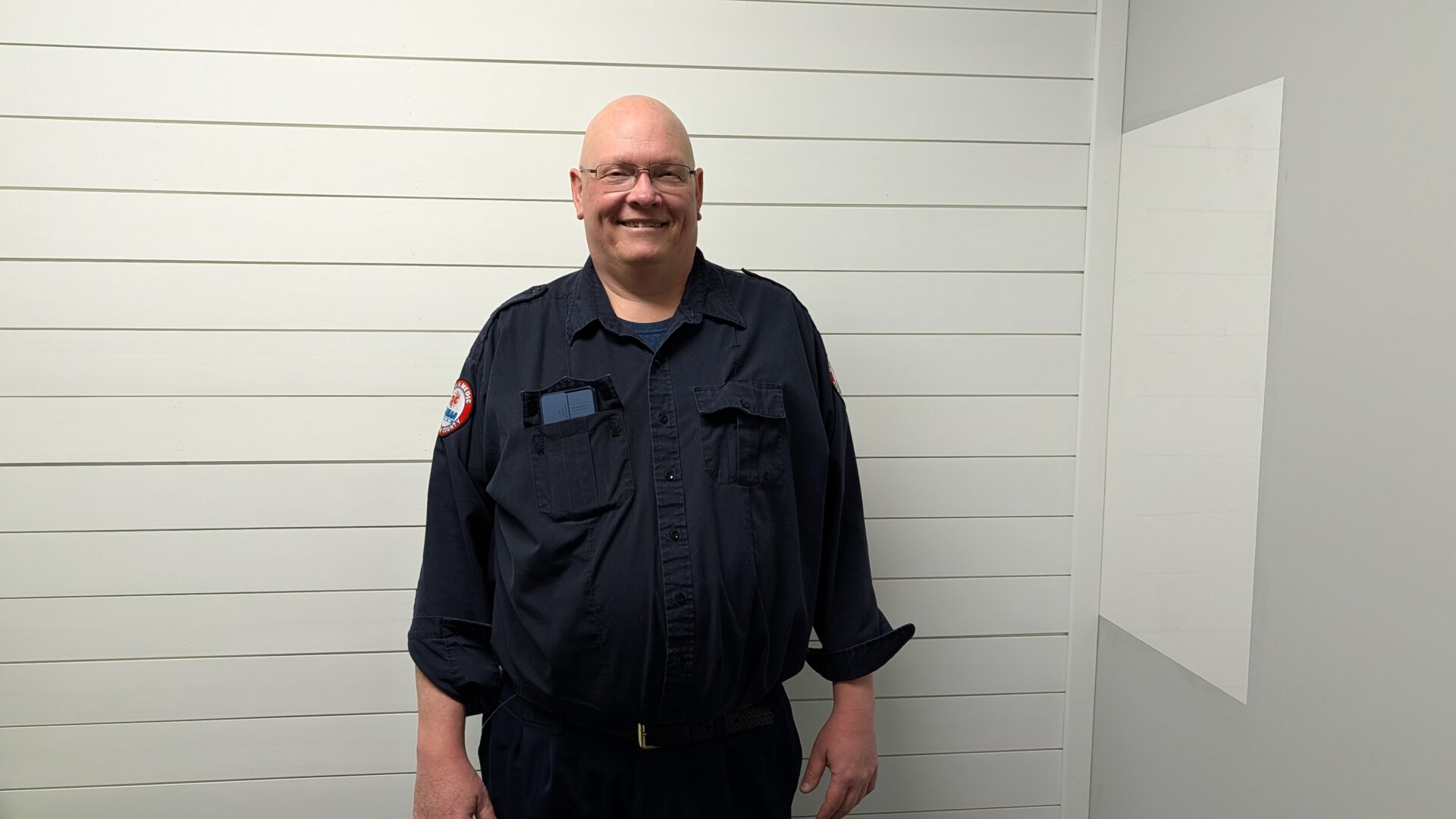
When you call 911, you might be picturing flashing lights and a fast ride to the emergency room. But in White Lake, Paramedic Lance “Rocky” Decker wants people to know something important: sometimes the most helpful “emergency” response isn’t a hospital bed—it’s a calm presence, a conversation, and the right support in the right place.
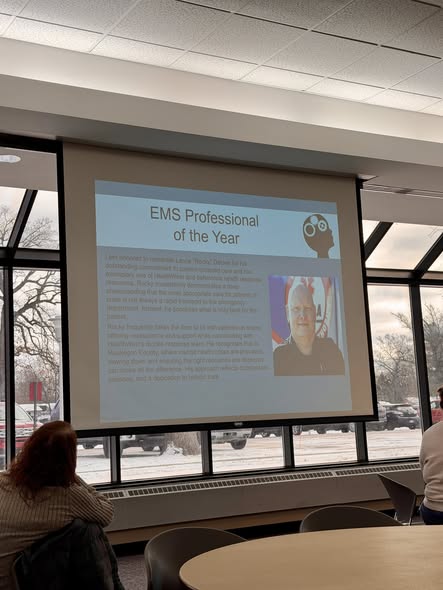
That mindset, and the way he brings it to mental health crisis calls, is one reason Rocky was recently recognized as EMS Professional of the Year—an honor that highlights not only clinical skill, but the professionalism, sincerity, and compassion he brings to some of the hardest calls EMS can face.
A 35-year career built on people skills—and quick thinking
Rocky has served in emergency medicine for more than 35 years. A Davenport University graduate in Emergency Medical Services, he’s worked across West Michigan, including time at Gerber Hospital in Fremont and North Ottawa Community Hospital in Grand Haven, before transitioning to his current role with the White Lake Ambulance Authority in Whitehall and Montague.
He didn’t start out planning on EMS. In college, Rocky initially thought he’d become an accountant—until classmates who were taking EMS courses encouraged him to try it. After visiting practical stations and experiencing the hands-on nature of the work, he found his path.
A key moment came during clinicals, when a physician told him he had strong interpersonal skills with patients. That stuck. In EMS, Rocky says, what matters most often goes beyond medical training. You have to be able to think critically, read a situation quickly, and connect with people when they’re scared, overwhelmed, or in pain.
“Things are not always, and usually not, what they appear to be,” he said—pointing to a call that began as dental pain and quickly revealed a heart attack. Paramedicine, he explained, keeps you on your toes.
“Not everyone who calls 911 needs the ER”
Rocky’s EMS Professional of the Year recognition focused specifically on his approach to mental health-related calls, where “success” may not look like sirens and a stretcher.
“Not everyone who calls 911 needs to be taken to a hospital,” he said. “Most people only need someone to talk to—and some may need just a little more help.”
That’s where Rocky repeatedly emphasized the value of connecting people to the right resources, including HealthWest, which he called “a phenomenal source with exceptional services to assist with mental health crises.”
In real life, that can mean slowing the moment down—getting on the person’s level, listening, and helping them feel safe enough to accept support. Rocky described situations where families call because they don’t know what to do anymore, and emotions are running high. Sometimes the person in crisis doesn’t even know someone called for help. Those calls require a careful, respectful approach.
“It’s just your tone of voice. The way your mannerisms are with these people,” Rocky explained. “You just kind of talk to them… ‘I understand you’re having a bad night. Tell me about it.’”
What “success” looks like on a mental health crisis call
For Rocky, the goal isn’t automatically transport. The goal is support.
“Success is getting the person the support they need in the environment that makes them feel the most comfortable,” he said.
That may mean working with the person and their family to create what Rocky described as a safe plan—a practical, agreed-upon plan to keep someone safe after the immediate crisis. When a safe plan is possible and everyone feels comfortable with it, Rocky is often glad to help someone stay home rather than sending them into an overwhelmed emergency department. But if a safe plan can’t be reached, or if safety is uncertain, then transport becomes necessary.
This approach matters even more now, Rocky added, because ERs are often strained. He shared that crews sometimes get alerts about extremely long waits—hours long—which can make the ER the wrong destination for someone who primarily needs crisis support, social work, or mental health services.
The recognition: “I was surprised… and honestly a little embarrassed”
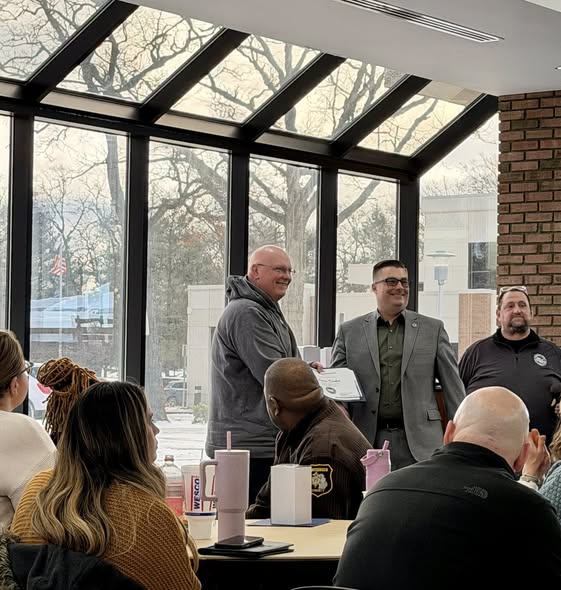
Rocky didn’t know he was being recognized until he saw his picture appear during an event connected to crisis intervention training. He described feeling stunned—and a little embarrassed—because he tends to keep a low profile.
“The recognition came to me as a surprise. I honestly had no idea,” he said. “I am grateful that I could be recognized and blessed to work with so many others that share the same passion for mental health as I do.”
That “others” piece matters to him. Rocky repeatedly framed his work as a team effort—EMS, law enforcement, fire, and behavioral health working together so people in crisis don’t fall through the cracks.
The public misconception: mental health calls aren’t “one-size-fits-all”
Rocky believes one of the biggest misunderstandings is the idea that mental health crisis calls look the same from person to person.
“There is a lot more to mental health than what most understand,” he said. “Everyone’s situation is different so we need to approach each individual case with the same level of professionalism and care.”
He talked about the wide range of situations responders encounter—from someone simply having a terrible day to someone managing serious, long-term mental illness. That’s why listening matters so much. It’s also why he values training that focuses on how to communicate: not escalating, not demanding, and not making a person feel cornered.
Serving White Lake: “It’s a privilege”
Rocky lives locally and serves a community he describes as close-knit and surrounded by natural beauty. Outside of work, he’s an outdoorsman who enjoys fishing on the Great Lakes—and he loves traveling with his family, usually somewhere near the beach or the ocean.
That sense of place is part of why the work is meaningful.
“White Lake is a small close-knit town with a strong sense of community,” Rocky said. “Serving the people of White Lake is a privilege. Each day it brings me joy knowing that I have made a meaningful impact by keeping my neighborhood safe.”
If you’re struggling, Rocky wants you to hear this: you’re not alone
Rocky’s message to anyone reading who might be dealing with anxiety, depression, or a crisis is simple and direct:
“They are not alone,” he said. “There are resources available for them to use at any time. You can call a family member, a friend, 911, or any of the national hotlines that are there whenever you need to use them.”
He also emphasized that reaching out doesn’t have to start with a big conversation. Sometimes it’s just the next step—one call, one text, one person who listens.
Local and national help resources
If you or someone you know needs support, these resources can help:
- Call 2-1-1 (Michigan 211): Connects you to local help for a wide range of needs—food, housing, bills, and crisis support. You can call, text, or search online.
- Call or text 988: The 988 Suicide & Crisis Lifeline (including the Michigan Crisis & Access Line). Rocky noted there are options tailored for veterans, youth, and other groups so callers can feel understood and supported.
- HealthWest: 231-722-HELP (4357): A local number Rocky shared as a direct connection to help in Muskegon County, including the White Lake area.
Stay connected to what’s happening in our area by visiting CatchMark Community.
Powered by CatchMark Technologies — helping people, solving problems. Explore more on our website.