
Tucked beneath towering pines in White River Township sits a small cemetery that quietly preserves nearly two centuries of White Lake history. To many visitors, Mouth Cemetery may appear to be simply a peaceful resting place. In reality, it serves as a record of the families, Native American leaders, sailors, settlers, veterans, and children who helped shape the White Lake community long before it became what it is today.
That history came to life during a recent White Lake Area Historical Society presentation at the White Lake Senior Center, where Secretary Barbara Brow and President Mary Mason shared the stories behind the cemetery’s residents and explained why preserving the site remains so important.
A Cemetery Older Than the Community It Serves
No one knows exactly when Mouth Cemetery was established. With no records identifying the first burial and White River Township records from 1848 through 1859 unavailable, historians have pieced together the cemetery’s story through surviving records, newspaper accounts, family histories, and the gravestones themselves.
What has emerged is a remarkable collection of stories that spans generations and reflects the diverse people who built the White Lake area.
Stories Carved Into Stone
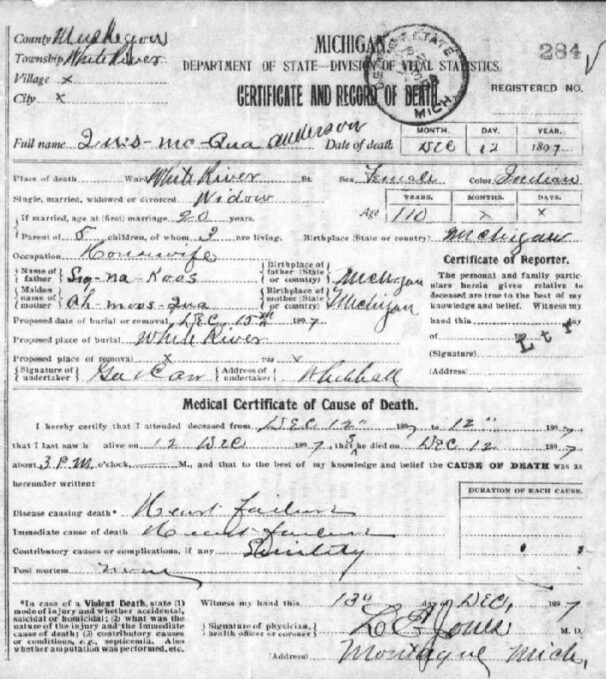
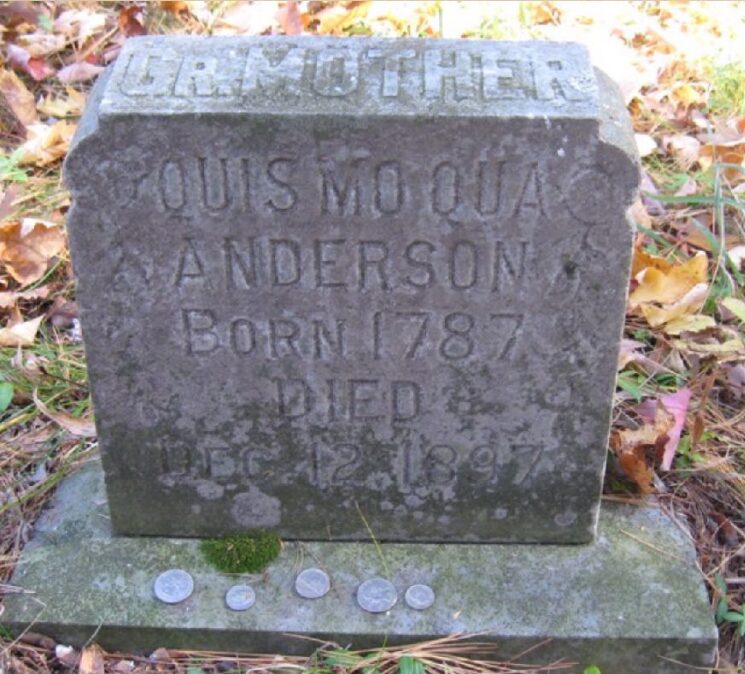
Quis Mo Qua Anderson’s death certificate alongside her gravestone at Mouth Cemetery.
Photos courtesy of the White Lake Area Historical Society.
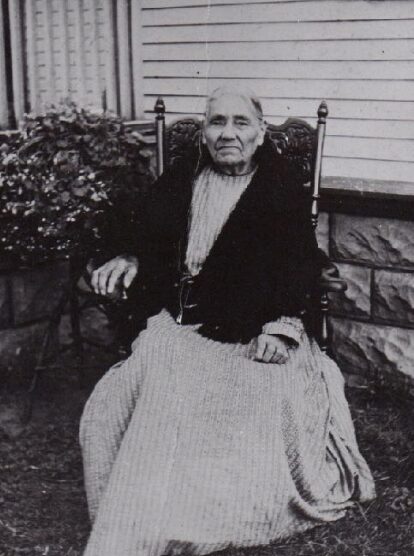
Among the cemetery’s earliest and most significant burials is Quis Mo Qua Anderson, wife of Chief Blue Eyes Anderson and mother of Lydia Anderson Armstrong. Quis Mo Qua died in 1897 at 110 years old and is believed to have been one of the earliest Native American residents buried at Mouth Cemetery.
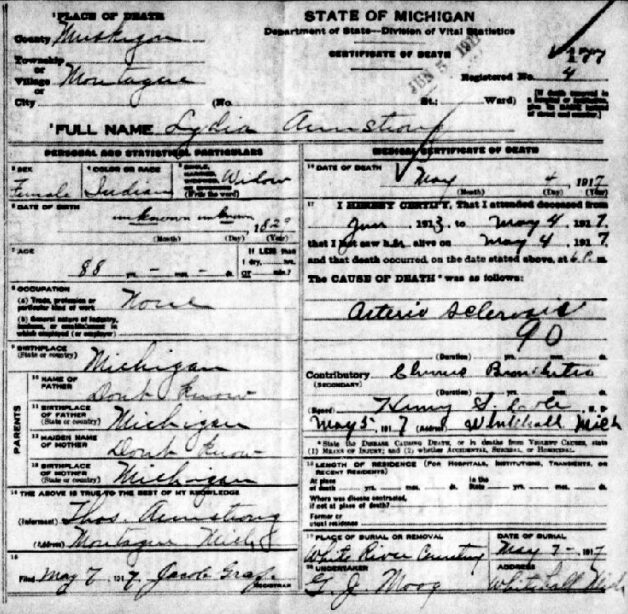
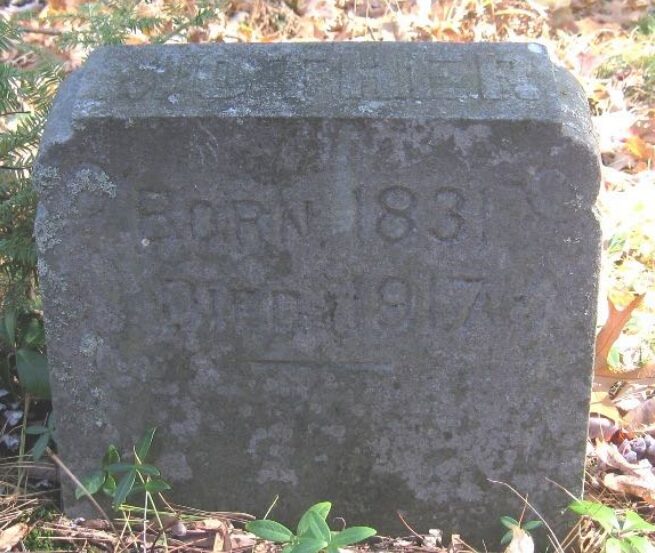
Lydia (She Ka Gaw) Anderson Armstrong, her death certificate, and her gravestone at Mouth Cemetery.
Photos courtesy of the White Lake Area Historical Society.
The family’s story continued through Lydia (She Ka Gaw) Anderson Armstrong, who was born in Grand Haven between 1829 and 1831. The daughter of Chief Blue Eyes Anderson and Quis Mo Qua, Lydia married George A. Armstrong around 1863, and together they raised three sons: George, William, and Thomas. George served during the Civil War before his death in 1895. Lydia spent her final years with her son Thomas and died in 1917. Today, she and George rest side by side in Mouth Cemetery, preserving another generation of one of White Lake’s earliest Native American families.
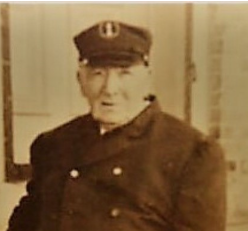
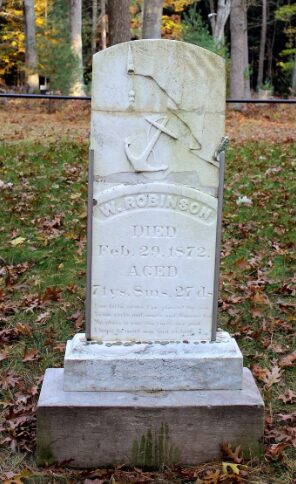
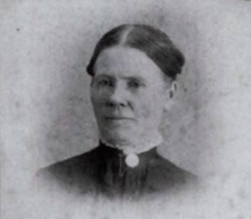
Captain William Robinson, his gravestone, and Sarah Robinson.
Photos courtesy of the White Lake Area Historical Society.
Among the cemetery’s most notable residents is Captain William Robinson, one of the first captains to navigate White Lake after the construction of the channel connecting the lake to Lake Michigan. Born in England, Robinson became one of the region’s early Great Lakes mariners, helping connect White Lake’s growing lumber industry to ports across the Great Lakes. He married Sarah Robinson, and together they raised a family while becoming part of one of the area’s early pioneer families. Through both his work on the water and his family’s connections throughout the community, including his sister Jane’s marriage to John Stanford Turns, Robinson helped shape White Lake during its formative years. Today, William and Sarah Robinson are buried together at Mouth Cemetery, where their graves serve as reminders of the maritime heritage that helped build the community.
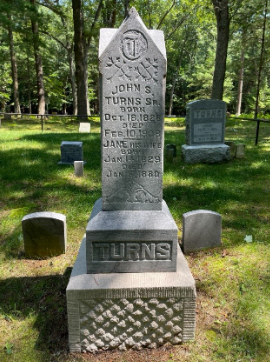
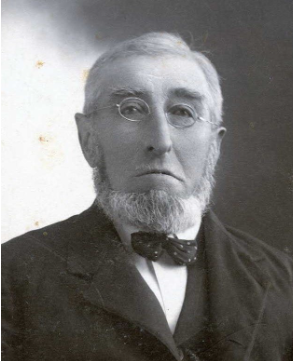
The John and Jane Turns family monument and a portrait of John Stanford Turns.
Photos courtesy of the White Lake Area Historical Society.
Another story woven into White Lake’s maritime and lumber history is that of John Stanford Turns. Born in Durham, England, in 1828, Turns spent much of his youth at sea before marrying Jane Robinson, sister of Captain William Robinson, in 1848. The couple immigrated to the United States in 1852 and eventually settled near Duck Lake, where Turns worked for Charles Mears during the region’s booming lumber industry. Over the following decades, he worked as a lumberman and head sawyer while raising a large family. After Jane’s death in 1880, Turns spent his later years living with family members before his death in 1908. His funeral reflected the challenges of travel in northern Michigan at the time. Because warming temperatures made it unsafe to cross the ice on White Lake, the funeral procession was forced to travel nearly 14 miles through Montague to reach Mouth Cemetery, adding about 10 miles to the journey. Today, John and Jane Turns rest in Mouth Cemetery, linking one of White Lake’s pioneering lumber families with one of its best known maritime families.
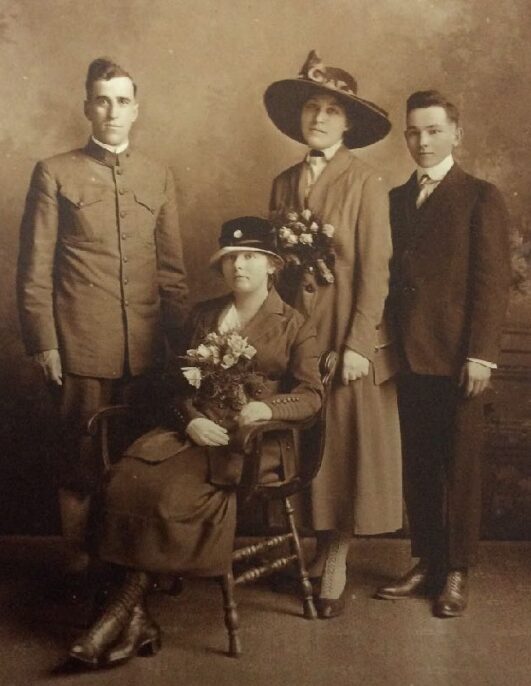
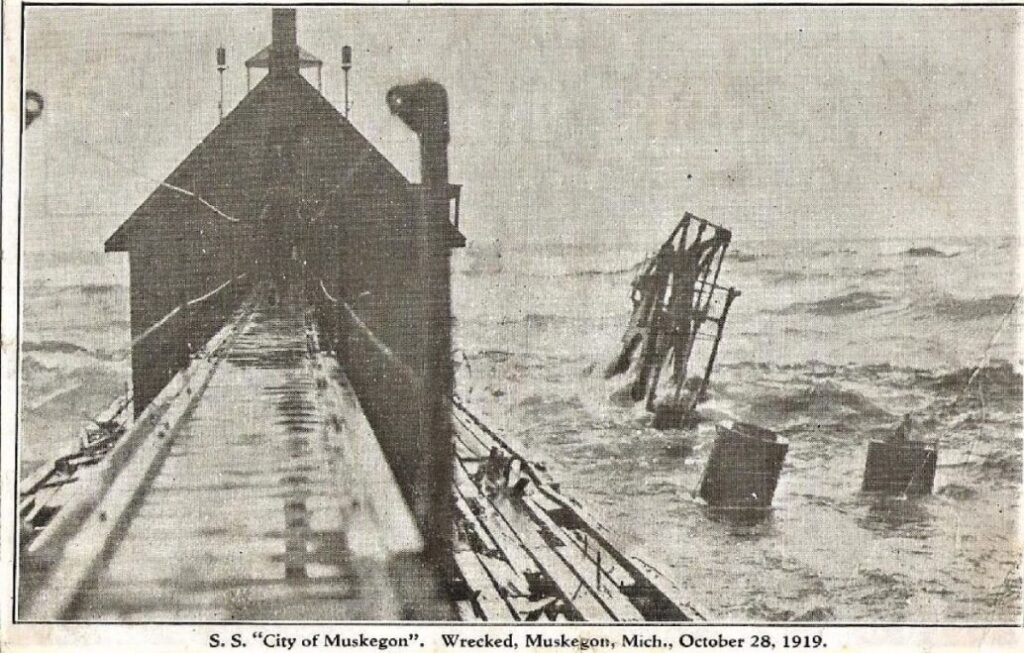
The Lecus family and the wreck of the SS City of Muskegon in October 1919.
Photos courtesy of the White Lake Area Historical Society.
The cemetery also preserves the story of Herman and Bertha Lecus, whose shared monument commemorates one of White Lake’s greatest tragedies. The young couple had been married just over a year when they traveled to Wisconsin to celebrate their first wedding anniversary with Bertha’s family. While returning home aboard the SS City of Muskegon in October 1919, the passenger steamer was destroyed in a violent storm as it attempted to enter Muskegon Harbor. Bertha’s body was recovered the day of the wreck, while Herman was found several days later. Their shared headstone stands as a lasting reminder of a tragedy that deeply affected the White Lake community.
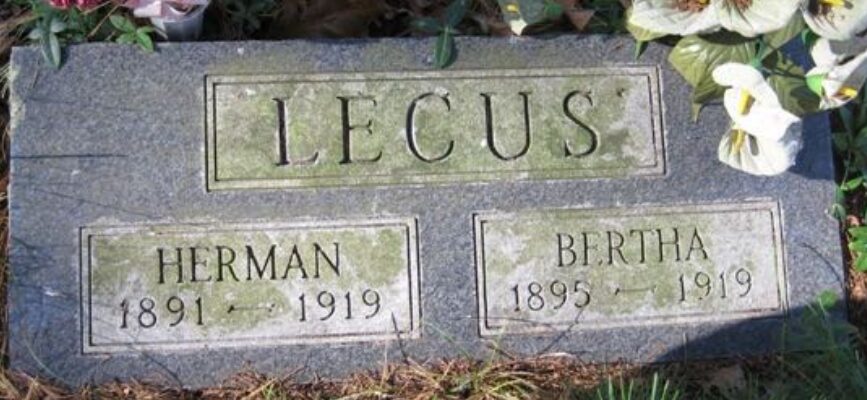
The shared headstone of Herman and Bertha Lecus at Mouth Cemetery.
Photo courtesy of the White Lake Area Historical Society.
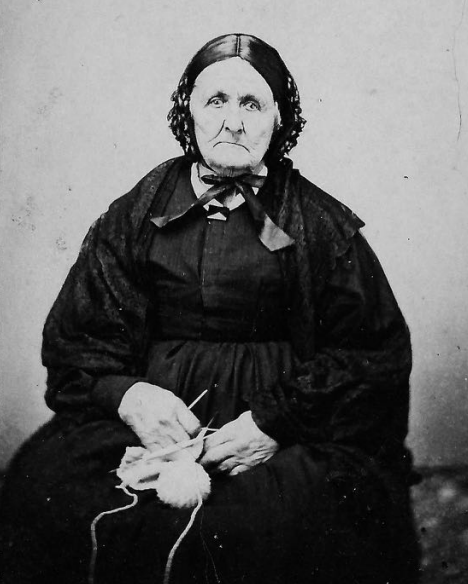
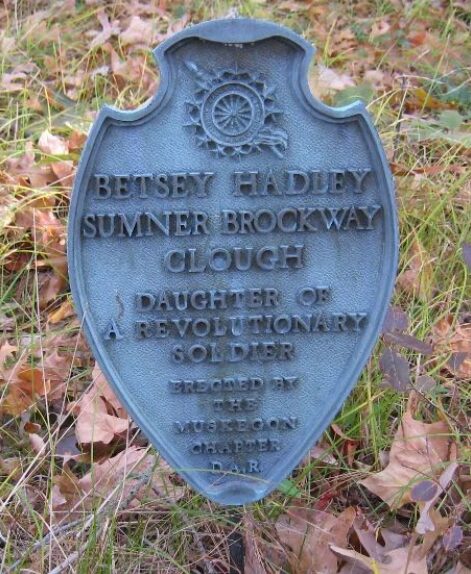
A portrait of Elizabeth “Betsey” Hadley Sumner Brockway Clough and the Daughters of the American Revolution marker identifying her gravesite at Mouth Cemetery.
Photos courtesy of the White Lake Area Historical Society.
Another remarkable resident is Elizabeth “Betsey” Hadley Sumner Brockway Clough, whose life spanned nearly a century of American history. Born in New Hampshire in 1782, Betsey was the daughter of Revolutionary War soldier Jacob Hadley and later became the matriarch of a large family through three marriages. She eventually made her way to the White Lake area, where she was laid to rest at Mouth Cemetery. Today, her gravesite is marked with a Daughters of the American Revolution marker honoring her father’s military service, offering a lasting connection between White Lake and the nation’s earliest history.
Jacob B. Gee was another early White Lake resident whose story has been preserved through the efforts of his descendants. Born in New York, Gee settled in Whitehall in 1853, where he worked as a hardware dealer and raised a large family with his wife, Lydia Ballou. After Lydia’s death in 1867, he remarried before spending the remainder of his life in the White Lake area. As the original monument weathered over time, Gee descendants installed a replacement headstone in 2013 that honors both Jacob and Lydia while recreating the symbolic carvings believed to have appeared on their original markers. The restored monument features a weeping willow, representing mourning, and a hand with a finger pointing upward, symbolizing the promise of heaven, preserving both the family’s history and the meaning behind nineteenth century memorial art.
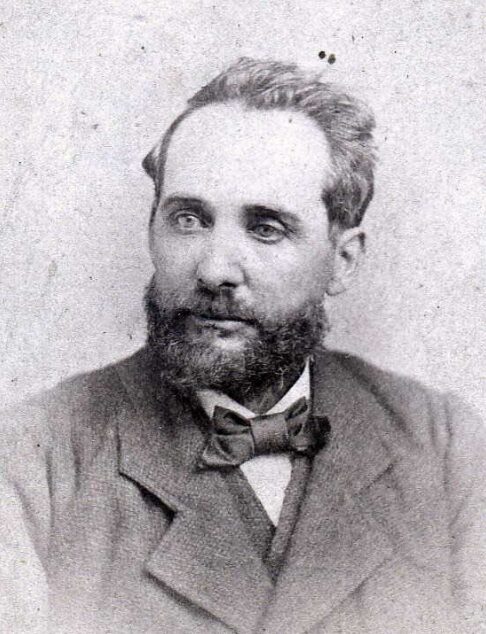
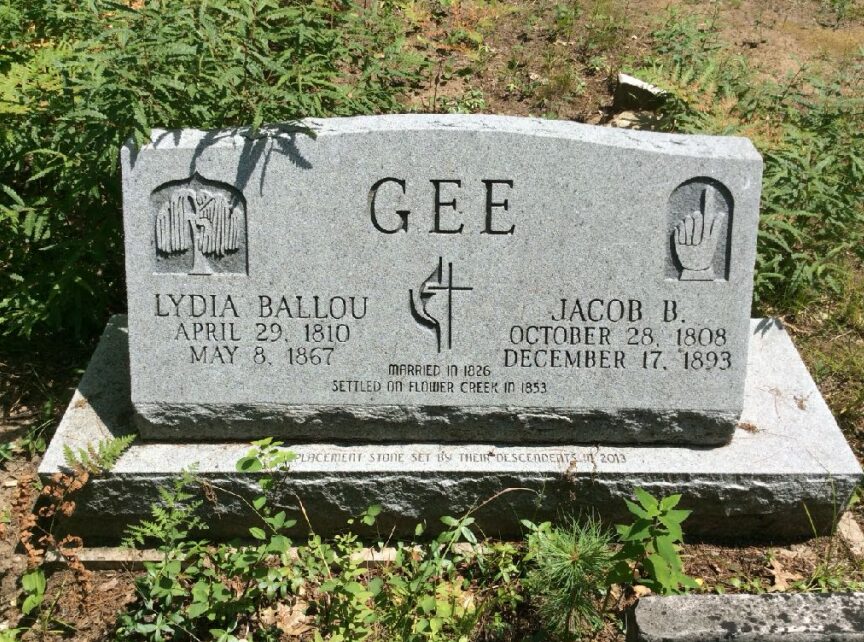
A portrait of Jacob B. Gee and the replacement monument honoring Jacob and Lydia Gee, installed by their descendants in 2013.
Photos courtesy of the White Lake Area Historical Society.
The Whalen family tells one of Mouth Cemetery’s most heartbreaking stories. Between December 1875 and June 1876, four members of the family died within just seven months, including three young children and their father, Richard Whalen, a local fisherman. The closely grouped monuments serve as a sobering reminder of how quickly illness and hardship could change the lives of nineteenth century families. Although Richard’s wife, Ellen, survived and continued raising her remaining family, the Whalen graves remain one of the cemetery’s most poignant reminders of the challenges faced by White Lake’s early settlers.
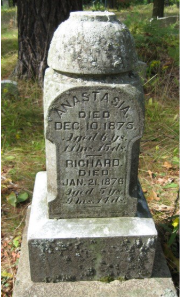
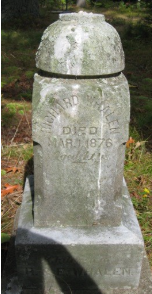
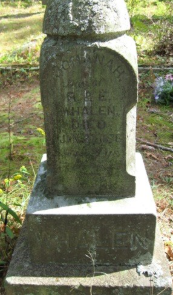
The Whalen family monuments commemorate four family members who died between December 1875 and June 1876.
Photos courtesy of the White Lake Area Historical Society.
The Hamilton family represents a more recent chapter in Mouth Cemetery’s history. Just outside the cemetery fence are several Hamilton family graves located on what was once Hamilton property. Although these monuments are outside the cemetery’s current boundaries, they were once located within the cemetery and remain closely connected to its history. The Hamilton family included several generations of dentists who made White Lake their summer home and later permanent residence, with descendants continuing to be buried on the family property into the twenty first century. Their graves illustrate how Mouth Cemetery’s story continues across generations and extends beyond the historic cemetery fence.
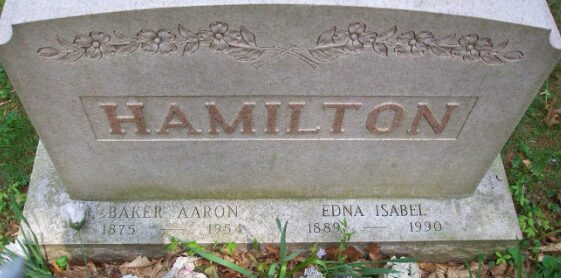
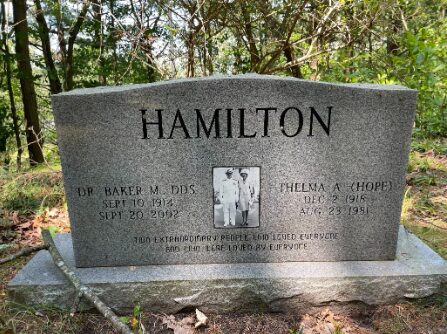
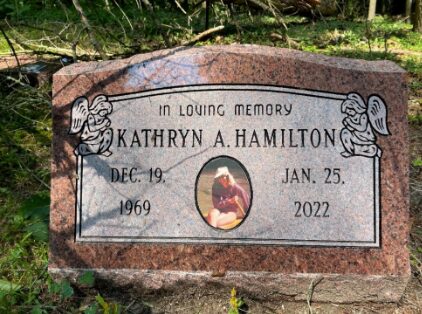
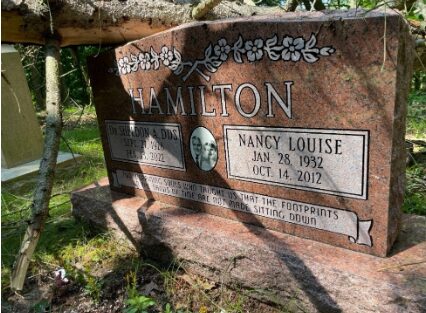
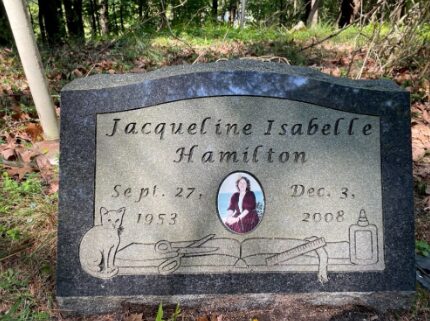
Hamilton family monuments located on the former Hamilton family property adjacent to Mouth Cemetery.
Photos courtesy of the White Lake Area Historical Society.
Mouth Cemetery also contains one of its most distinctive monuments, marking the graves of Norman and Lenora Sargent. Unlike traditional headstones, theirs features sculpted likenesses of their faces, making it one of the most recognizable memorials in the cemetery.
Norman and Lenora made White Lake their home for decades and became well known through Sargent Brokerage in Whitehall, which they operated together until retiring in the early 1990s. Lenora was also active in the community, serving with organizations including the Miss White Lake Pageant and the American Legion Auxiliary. Although Norman was not connected to the area’s early Sargent families, the couple chose Mouth Cemetery as their final resting place, adding a more modern chapter to a cemetery that continues to preserve stories spanning generations.
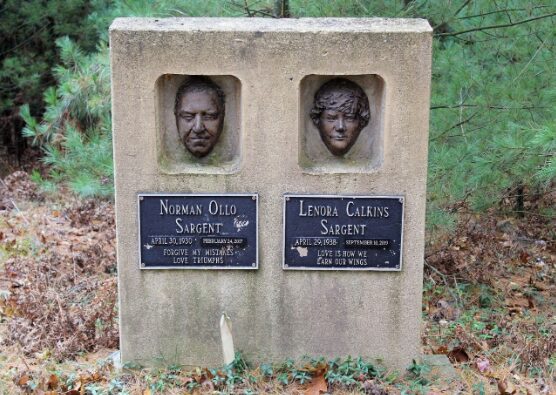
The distinctive monument of Norman and Lenora Sargent features sculpted likenesses of their faces, making it one of the most recognizable memorials at Mouth Cemetery.
Photo courtesy of the White Lake Area Historical Society.
The Meaning Behind the Monuments
Visitors will find carved symbols that reflected the beliefs and values of the nineteenth century. Harps represented heavenly music, while oak leaves symbolized strength and endurance.
Clasped hands often represented a final farewell, the hope of reunion in the afterlife, or the enduring bond between husband and wife. One example can be found on the headstone of Esther Louisa V. Cushway, whose monument features the touching symbol. Born in New York in 1835, Esther and her husband, Charles, settled in the White Lake area during its lumber era, where Charles worked as both a fisherman and later a sawyer. Together they raised six children before Esther died in 1880. The clasped hands carved into her monument offer a lasting tribute to the love and partnership she shared with her family.
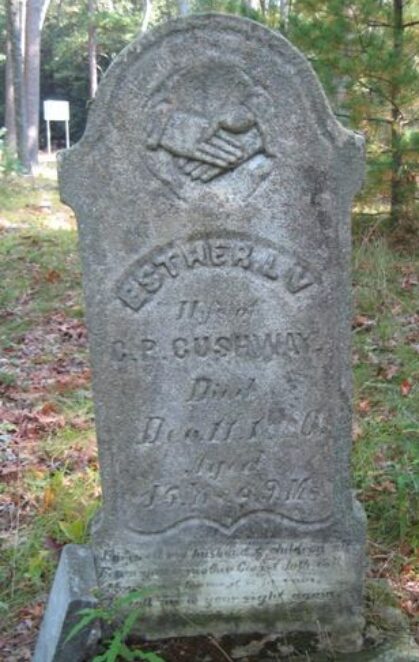
The headstone of Esther Louisa V. Cushway features clasped hands, a symbol commonly representing love, farewell, and the hope of reunion.
Photo courtesy of the White Lake Area Historical Society.
Other monuments feature weeping willow trees, symbolizing mourning, and fingers pointing upward, reflecting faith and the promise of heaven.
Preserving White Lake’s Past
Over the years, volunteers, descendants, and local historians have worked to document the stories of those buried at Mouth Cemetery and ensure the cemetery’s history is not forgotten. Their efforts have helped preserve an important piece of White Lake’s heritage for future generations.
Each marker represents more than a name or a date. Together they tell the story of a community’s beginnings, reminding visitors that White Lake’s history is still waiting to be discovered among the quiet paths and weathered stones of Mouth Cemetery.
Learn More
This article was inspired by a presentation from the White Lake Area Historical Society, which is dedicated to researching, preserving, and sharing the history of the White Lake area through educational programs and community presentations. The Society meets on the third Thursday of each month, May through October, at 7 p.m. at various locations throughout the White Lake area. Those interested in learning more about local history can visit the Society’s website for upcoming meetings, programs, and membership information.
Follow along on social media for daily updates, community highlights, and moments that happen between the headlines.
Facebook • Instagram • YouTube • TikTok • LinkedIn • X
Stay connected to what’s happening in our area by visiting CatchMark Community.
Powered by CatchMark Technologies — helping people, solving problems. Explore more on our website.














Barb Brow
July 21, 2026 at 9:54 pm
Nice article. However, there is an error in the Lecus story. Herman and Bertha were husband and wife. They were only married a year before they tragically died returning from Wisconsin after celebrating their first wedding anniversary. They had no children. Perhaps you mixed up information from one of the other stories. Other than that, it was a very nice article. Thank you for sharing.
Amy Yonkman
July 22, 2026 at 7:33 am
Thank you so much! I really appreciate you catching that, and thank you again for sharing all of the information from the presentation. I accidentally mixed Herman and Bertha’s story with another one while writing the article. I’ve corrected it to reflect their story aboard the SS City of Muskegon. Thanks for helping keep the article accurate!
Mary Mason
July 22, 2026 at 10:04 am
mlmason49@gmail.com